Pimax / PC VR
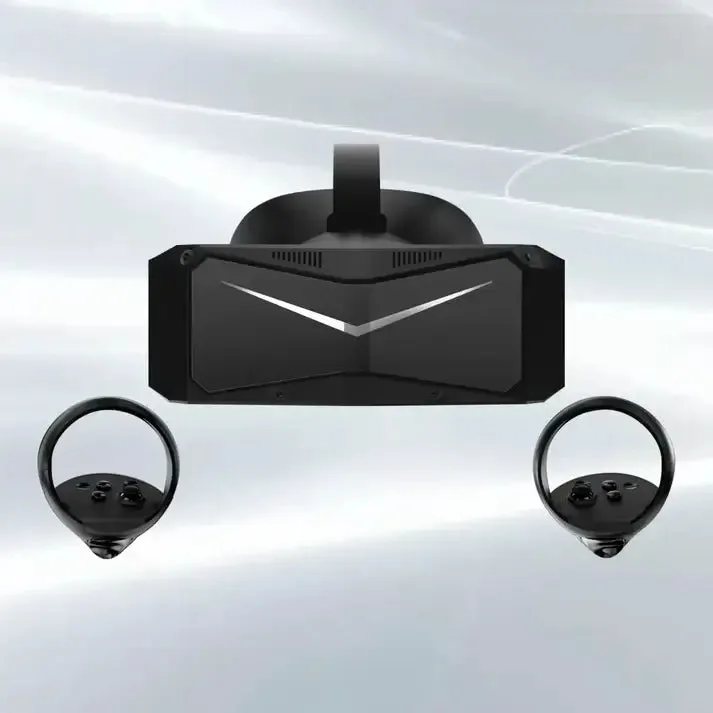
Pimax Crystal Light
83
TopVR score
$899
retail class
Head-to-head
Pimax Crystal Light scores 83/100 while PlayStation VR2 scores 85/100. Compare specs, price, pros, cons, and platform tradeoffs.
83
TopVR score
$899
retail class
85
TopVR score
$399
retail class
Spec Table
Pimax
83
TopVR score
$899
retail class
Sony
85
TopVR score
$399
retail class
| Spec | Pimax Crystal Light | PlayStation VR2 |
|---|---|---|
| Score | 83 /100 | 85 /100 |
| Resolution | 2880x2880 per eye | 2000x2040 per eye (OLED) |
| Refresh Rate | 72 / 90 / 120 Hz | 90 / 120 Hz |
| Field of View | 105 deg horizontal | 110 deg horizontal |
| Tracking | Inside-out tracking; optional Lighthouse faceplate | Inside-out 4-camera |
| Battery | Wired PC VR headset | Wired headset; controllers recharge |
| Weight | 815 g class | 560 g |
| Platform | SteamVR PC | PlayStation 5 |
Pimax Crystal Light is one of the strongest value picks for sim racers and flight sim players chasing high resolution. It is less elegant than compact headsets, but its pixel count and price are hard to ignore.
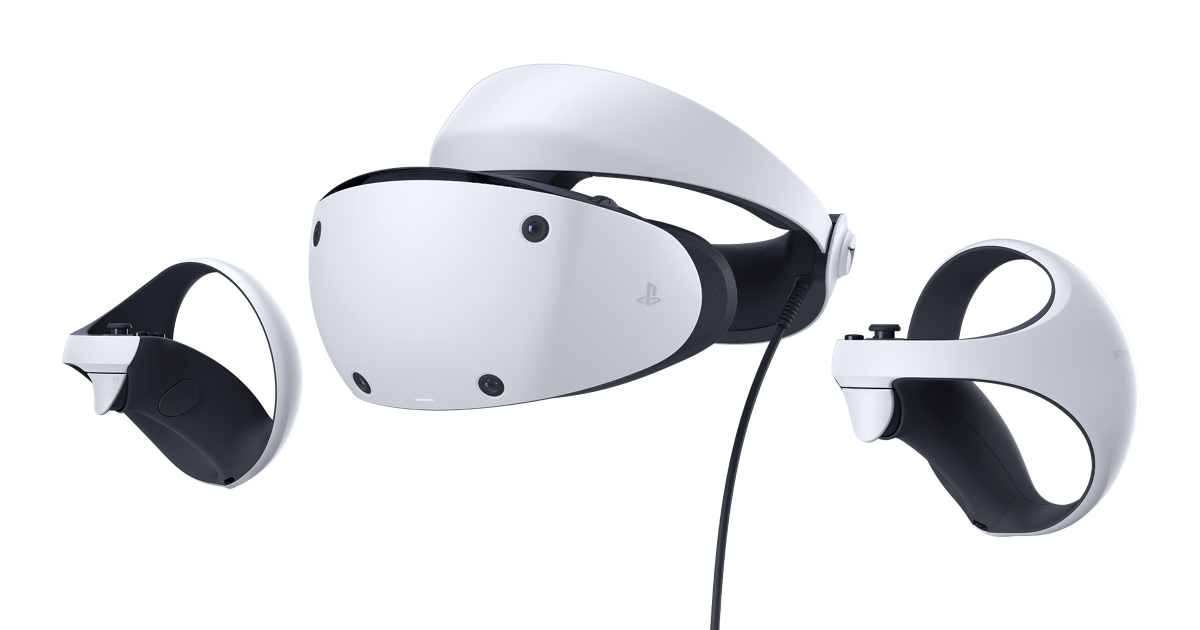
PSVR2 delivers premium VR visuals for PS5 owners. The OLED screen, HDR, eye tracking, and haptic controllers are excellent, but PlayStation Direct still shows the headset at $399 and unavailable. Buyers should also know that Sony plans to end new PlayStation physical game discs starting January 2028, making future PS VR2 purchases more digital-first.