Samsung / mixed
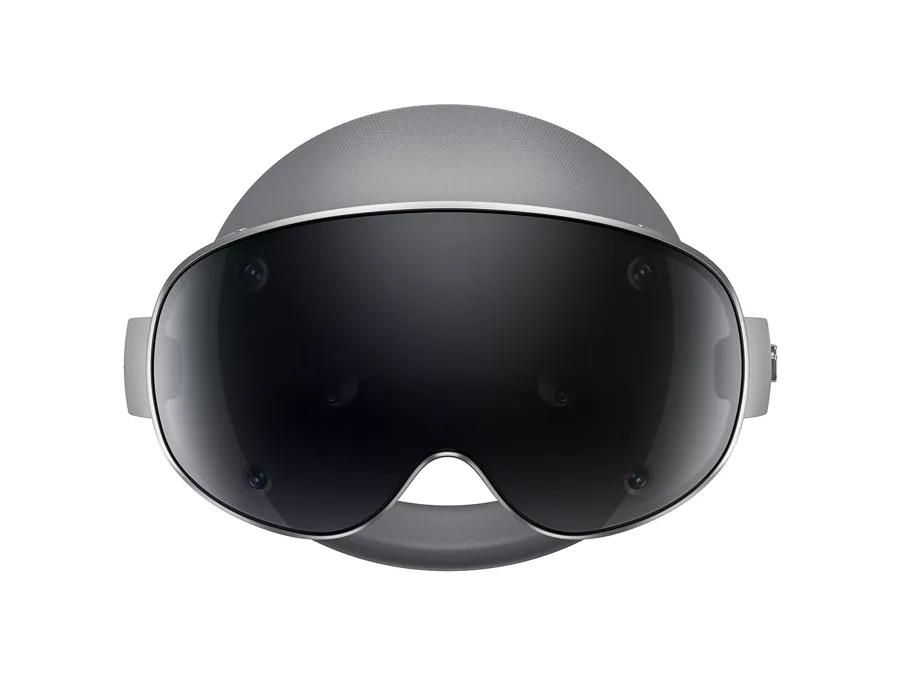
Samsung Galaxy XR
89
TopVR score
$1,800
retail class
Head-to-head
Samsung Galaxy XR scores 89/100 while VIVE XR Elite scores 74/100. Compare specs, price, pros, cons, and platform tradeoffs.
89
TopVR score
$1,800
retail class
74
TopVR score
$799
retail class
Spec Table
Samsung
89
TopVR score
$1,800
retail class
HTC Vive
74
TopVR score
$799
retail class
| Spec | Samsung Galaxy XR | VIVE XR Elite |
|---|---|---|
| Score | 89 /100 | 74 /100 |
| Resolution | 4K micro-OLED class | 1920x1920 per eye |
| Refresh Rate | 90 Hz class | 90 Hz |
| Field of View | 109 deg horizontal / 100 deg vertical | 110 deg class |
| Tracking | Eye, hand, voice, depth, and optional controllers | Inside-out 6DoF |
| Battery | Up to 2 hours general use; 2.5 hours video | Up to 2 hours |
| Weight | 545 g | 625 g with battery cradle |
| Platform | Android XR | VIVE standalone / SteamVR PC |
Samsung Galaxy XR is the most important new premium mixed-reality alternative to Vision Pro. It is expensive, but Android XR, Gemini, Google Play, and a lighter headset design give it a clearer everyday software story than most high-end XR devices.
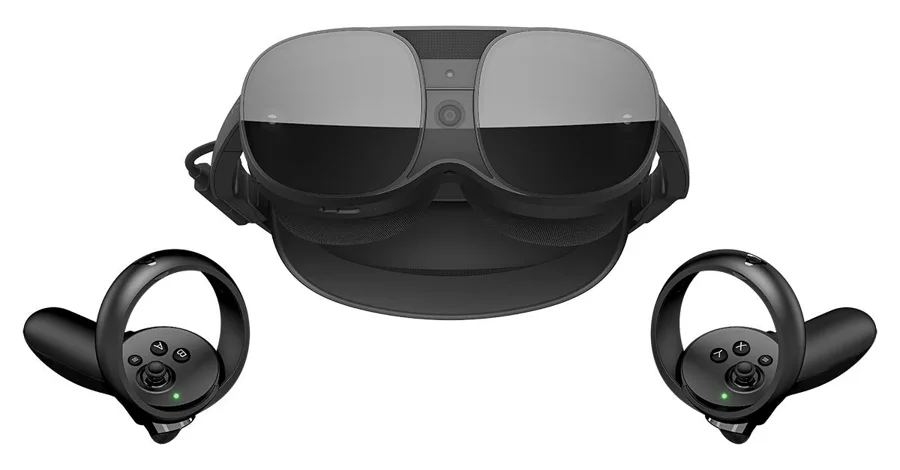
VIVE XR Elite is still a notable compact mixed-reality headset, but it is harder to recommend broadly in 2026. It makes the most sense for buyers who specifically want HTC's convertible form factor and PC streaming support.