Head to head · specs checked Oct 2026
Pimax Crystal Light vs Pimax Crystal Super
Both are wired cockpit headsets that ask for a strong PC and setup patience. The question is whether you need Super's sharper, wider view enough to pay its premium typical price.
The quick answer
Buy Crystal Super if maximum cockpit clarity is the reason you are shopping and you can support it with a strong GPU.
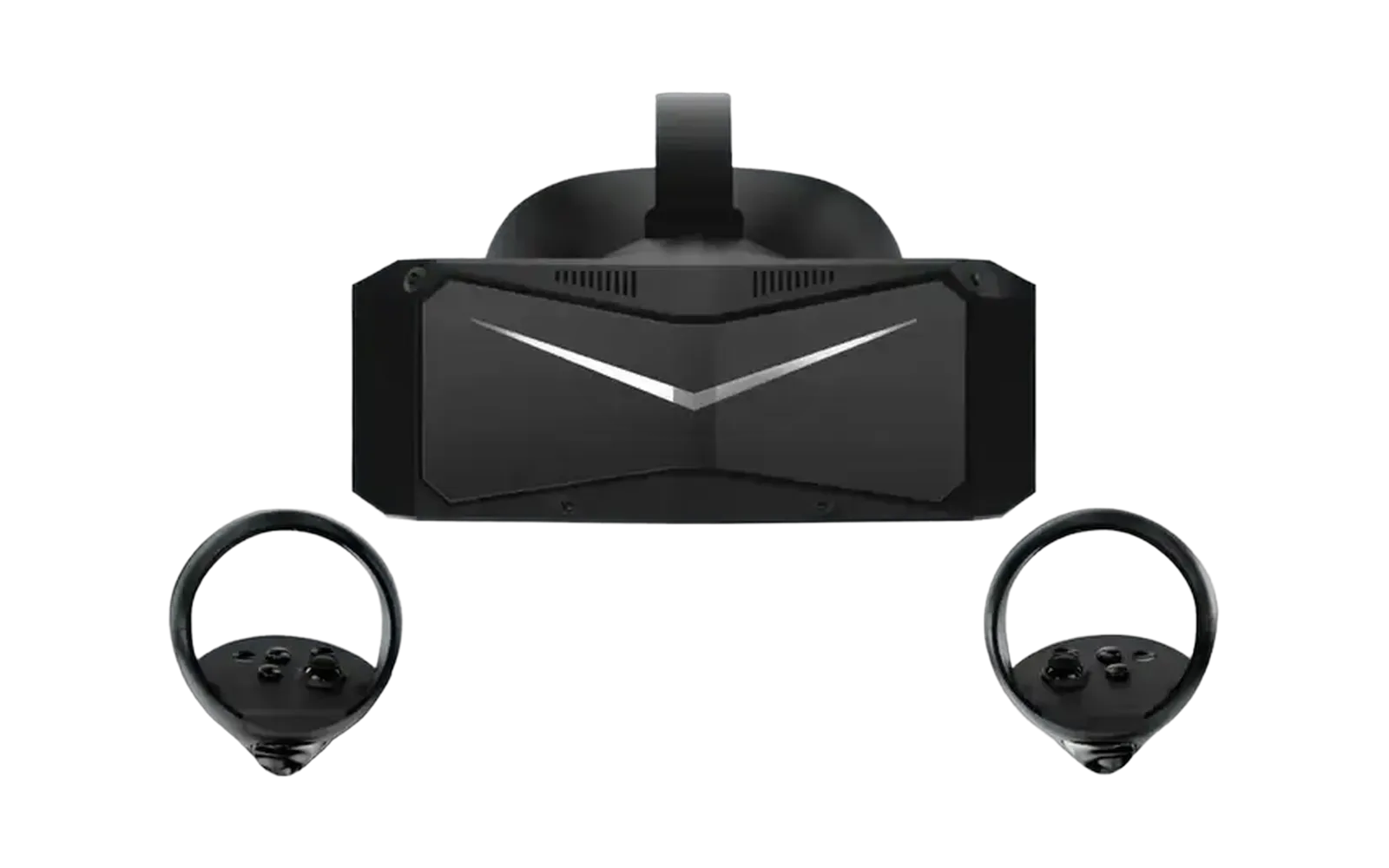
Crystal Light
Buy the Crystal Light if
- You want sharp DisplayPort PC VR within a tighter budget
- You already have a capable gaming PC
- You accept comfort adjustments and possible tracking work
- Super's maximum cockpit detail is not essential
Watch out forFront-heavy; stock face padding is often called mediocre
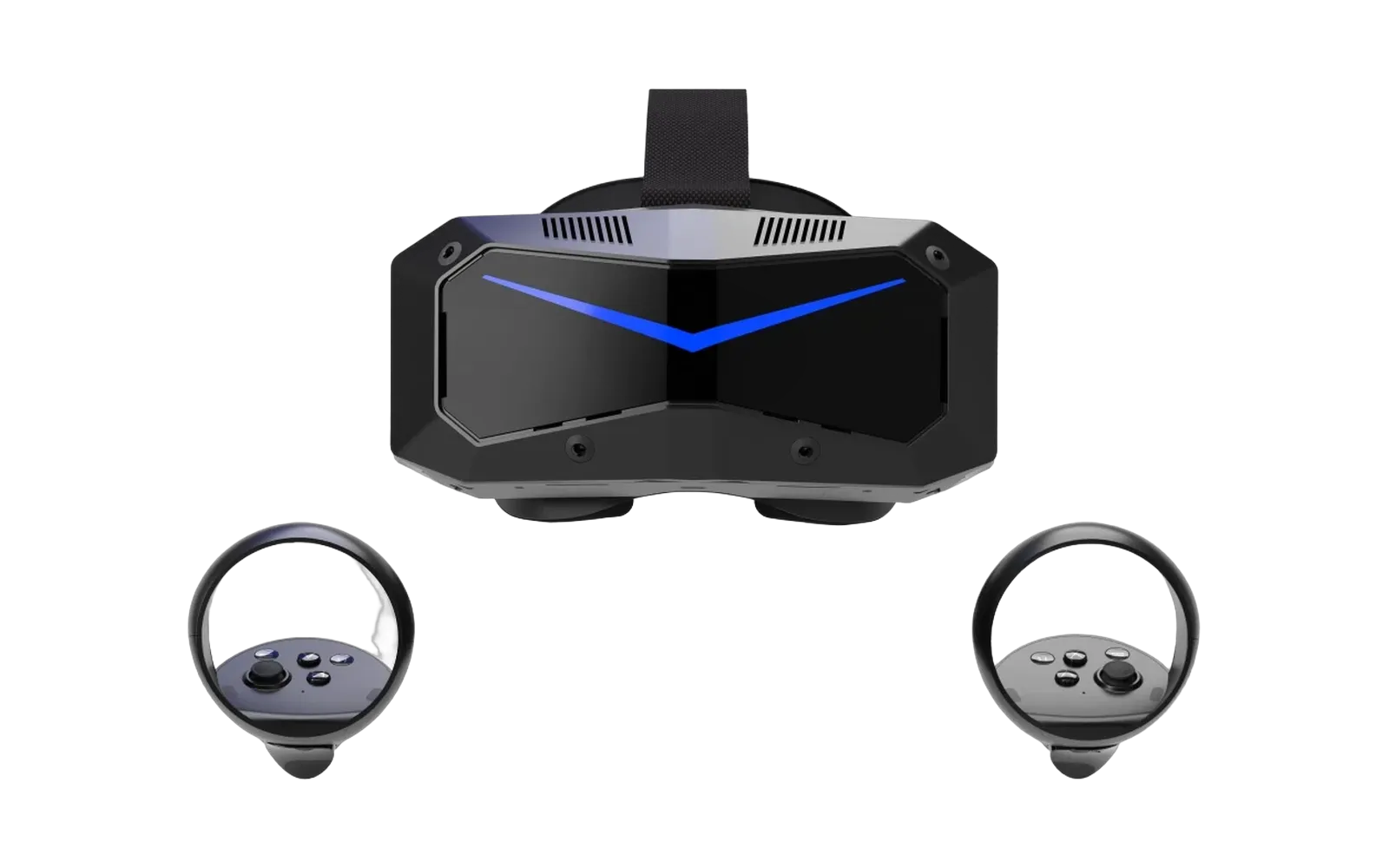
Crystal Super
Buy the Crystal Super if
- Sim racing or flight is your main use
- You want the strongest cockpit clarity in this catalog
- You have a strong GPU and room for the premium typical/list price
- You will trade comfort and setup effort for the sharper, wider view
Watch out forHeavy enough that many owners want comfort mods for longer sessions
Scores by category
0 to 100, the same scale for every headset. Price is left out. How we score
| Category | Crystal Light | Crystal Super |
|---|---|---|
| Overall | 69 | 82 |
| Clarity | 94 | 95 |
| Field of view | 95 | 100 |
| Comfort | 58 | 80 |
| Battery | No battery | No battery |
| Tracking | 33 | 76 |
| Ease of setup | 30 | 30 |
What's actually different
Worked out from the spec sheets, in plain words. What they share is left out.
- 01PriceCrystal Light typically costs $900 less than Crystal Super.
- 02SharpnessCrystal Super has 78% more pixels per eye than Crystal Light, so text and small details look crisper.
- 03ComfortCrystal Super is 235 g lighter than Crystal Light on your face.
- 04ViewCrystal Super shows 17° more side to side than Crystal Light, going by the makers' figures.
- 05SetupCrystal Light needs a gaming PC.
- 06SetupCrystal Super needs a gaming PC.
Our verdict
Our verdict
It is the stronger sim-racing and flight choice, with a sharper, wider view and a DisplayPort connection. Crystal Light is the sensible alternative when the typical/list $699 fits your budget and Super's typical/list $1,695 to $1,799 does not. You still get a sharp DisplayPort image, but accept a lower ceiling for detail and field of view. Neither is an easy recommendation for casual room-scale play: owner reports raise comfort, tracking, and setup concerns on both. Choose Light to keep a specialist PC VR purchase within budget; choose Super when the extra cockpit detail is the feature you came to buy.
Where each one wins
Judged for this matchup. Criteria without a supported judgment are left out.
- ClarityPimax Crystal SuperSuper is the established PC VR clarity pick, while Light is the budget compromise within the family. Both use DisplayPort, so Super's advantage is the higher visual ceiling rather than escaping wireless compression that Light also avoids.
- Field of viewPimax Crystal SuperThe existing sim guidance favors Super's sharper, wider cockpit view over Light. This is an editorial buying distinction, based on the published specifications rather than our own measurement.
- Value / budgetPimax Crystal LightTypical/list $699 versus Super's $1,695 to $1,799 makes Light the more accessible specialist purchase. Its DisplayPort image can already be enough for a simmer who does not need the top-end view.
Every spec
13 of 15 published specs differ
Display
Manufacturer · checked 2026-09-13
- Pimax · Manufacturer · checked 2026-09-13
Manufacturer · checked 2026-09-13
- Pimax · Manufacturer · checked 2026-09-13
Manufacturer · checked 2026-09-13
- Pimax · Manufacturer · checked 2026-09-13
Optics & field of view
Manufacturer · checked 2026-09-13
- Pimax · Manufacturer · checked 2026-09-13
Manufacturer · checked 2026-09-13
- Pimax · Manufacturer · checked 2026-09-13
Database · checked 2026-09-10
The catalog's 115° measured value is not backed by a checked manufacturer measurement.
- picker · Database · checked 2026-09-10
Database · checked 2026-09-10
The catalog's 115° measured value is not backed by a checked manufacturer measurement.
- picker · Database · checked 2026-09-10
Fit & power
Pimax does not say whether the 815 g includes the cable and accessories.
Manufacturer · checked 2026-09-13
- Pimax · Manufacturer · checked 2026-09-13
Manual physical lens-spacing adjustment.
Manufacturer · checked 2026-09-13
- Pimax Store · Manufacturer · checked 2026-09-13
Tracking & input
Manufacturer · checked 2026-09-13 · 1 more
- Pimax · Manufacturer · checked 2026-09-13
- Pimax Store · Manufacturer · checked 2026-09-13
Manufacturer · checked 2026-09-13
- Pimax Store · Manufacturer · checked 2026-09-13
Manufacturer · checked 2026-09-13
- Pimax · Manufacturer · checked 2026-09-13
VRcompare: not supported; VR Eddie: supported.
Database · checked 2026-09-10 · 1 more
Silicon & connection
Database · checked 2026-09-10
Crystal Light is PC-powered; the catalog's GPU recommendation is not an onboard chipset specification.
- eddie · Database · checked 2026-09-10
Manufacturer · checked 2026-09-13
- Pimax · Manufacturer · checked 2026-09-13
Other published values
Display
Resolution per eye varies by model.
Manufacturer · checked 2026-09-13
- Pimax Business · Manufacturer · checked 2026-09-13
Display type varies by model.
Manufacturer · checked 2026-09-13
- Pimax Business · Manufacturer · checked 2026-09-13
The current consumer product page lists 90 Hz and 120 Hz. Pimax's enterprise configurations list 72 Hz and 90 Hz.
Manufacturer · checked 2026-09-14 · 1 more
- Pimax · Manufacturer · checked 2026-09-14
- Pimax Business · Manufacturer · checked 2026-09-13
Optics & field of view
Lens type varies by model.
Manufacturer · checked 2026-09-13
- Pimax Business · Manufacturer · checked 2026-09-13
Varies by model. Only the Ultrawide version is listed at 140° horizontal.
Manufacturer · checked 2026-09-13
- Pimax Business · Manufacturer · checked 2026-09-13
Fit & power
Database · checked 2026-09-10
The current official consumer and business spec pages do not publish a weight; the catalog's 580 g should not be promoted as official.
- eddie · Database · checked 2026-09-10
Lenses adjust automatically.
Manufacturer · checked 2026-09-13
- Pimax Business · Manufacturer · checked 2026-09-13
Tracking & input
Lighthouse support requires optional expansion and base stations.
Manufacturer · checked 2026-09-13
- Pimax Business · Manufacturer · checked 2026-09-13
Database · checked 2026-09-10
No explicit passthrough specification was found on the checked product matrices.
- vrcompare · Database · checked 2026-09-10
Manufacturer · checked 2026-09-13
- Pimax Business · Manufacturer · checked 2026-09-13
VRcompare: not supported; VR Eddie: supported.
Database · checked 2026-09-10 · 1 more
Silicon & connection
Manufacturer · checked 2026-09-13
- Pimax · Manufacturer · checked 2026-09-13
Other published values
 Crystal Light2880×2880
 Crystal Super3840×3840Crystal Light110°Crystal Super127°Crystal Light115°Crystal Light115°
▲ Leads marks the best figure in a row, and only where the figures compare like for like: the same measurement conditions, nothing disputed, and one clear leader. Rows where every headset matches get no mark. Panels and fields of view are drawn at one scale for every headset on screen, and each value opens its sources.
What you need to play
The headset, plus anything it cannot run without.
Pimax Crystal Light
Typically$899
Full dossier →Pimax Crystal Super
Typically$1,799
Full dossier →Before you buy
Questions worth asking
Is Crystal Super worth the extra money over Light?
Yes if you are buying primarily for maximum sim clarity and field of view. Light is the better budget choice when its DisplayPort cockpit image is already enough and the rest of your PC setup also needs funding.
Do I need a gaming PC for both?
Yes, both are PC VR headsets with no standalone game library. The existing guidance calls for a capable PC on Light and a strong GPU for Super; do not spend the entire budget on the headset.
Does Super solve Light's tracking problems?
Do not buy it on that assumption. Owners also report Super tracking problems, especially with precise controller games, so the upgrade is for the image rather than guaranteed tracking reliability.
Will I need base stations with Crystal Light?
The catalog's tracking sources disagree, so do not infer the included setup from that field alone. The editorial describes stock inside-out use and an optional lighthouse faceplate path that some owners found improved reliability.
Which is comfortable enough for long races?
Neither earns an unconditional stock-comfort recommendation. Light owners report front-heavy fit and weak padding, while Super owners also describe weight and warmth; plan for fit adjustments on either.
More comparisons
As an Amazon Associate, we earn from qualifying purchases. How our links work.