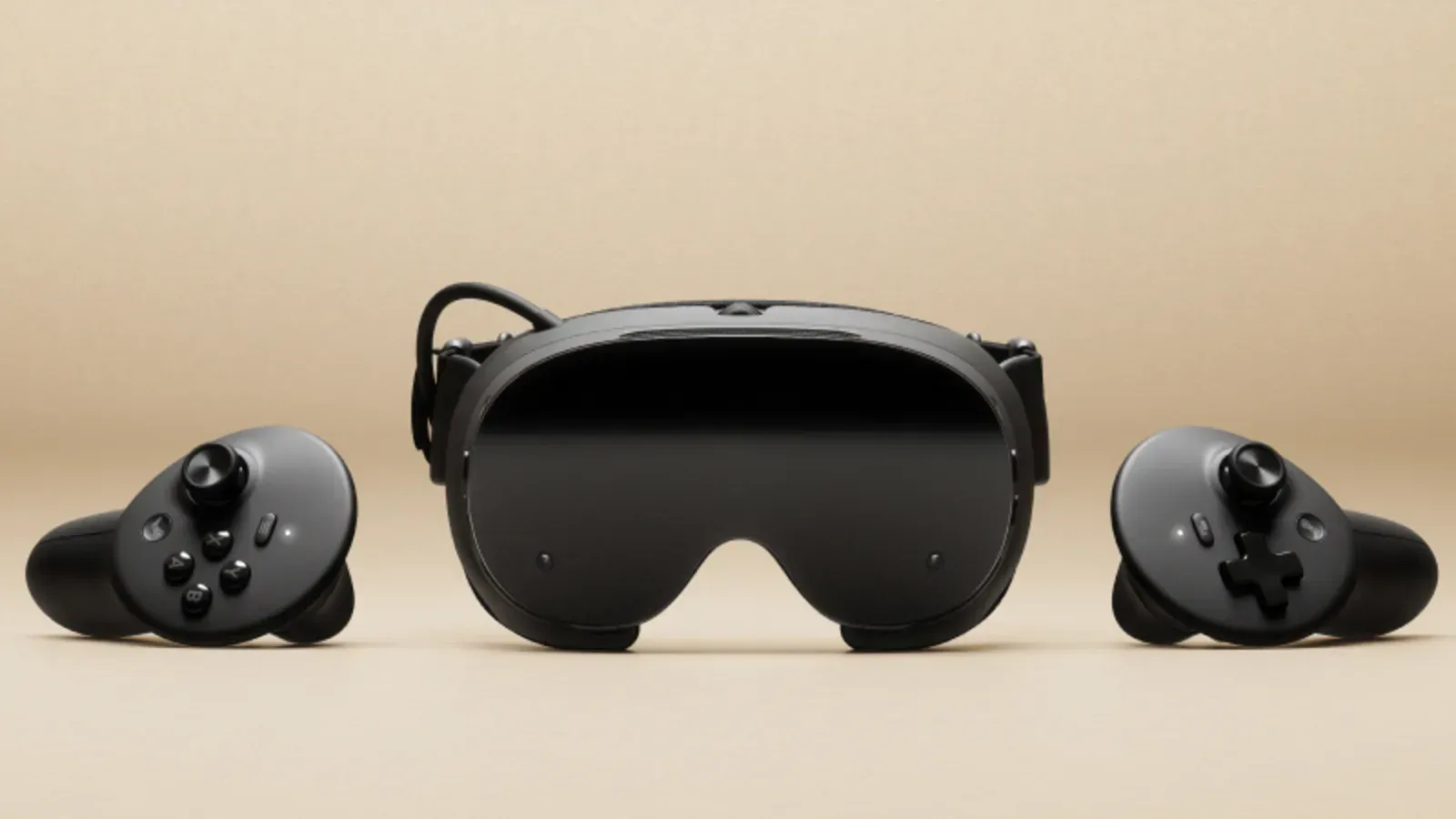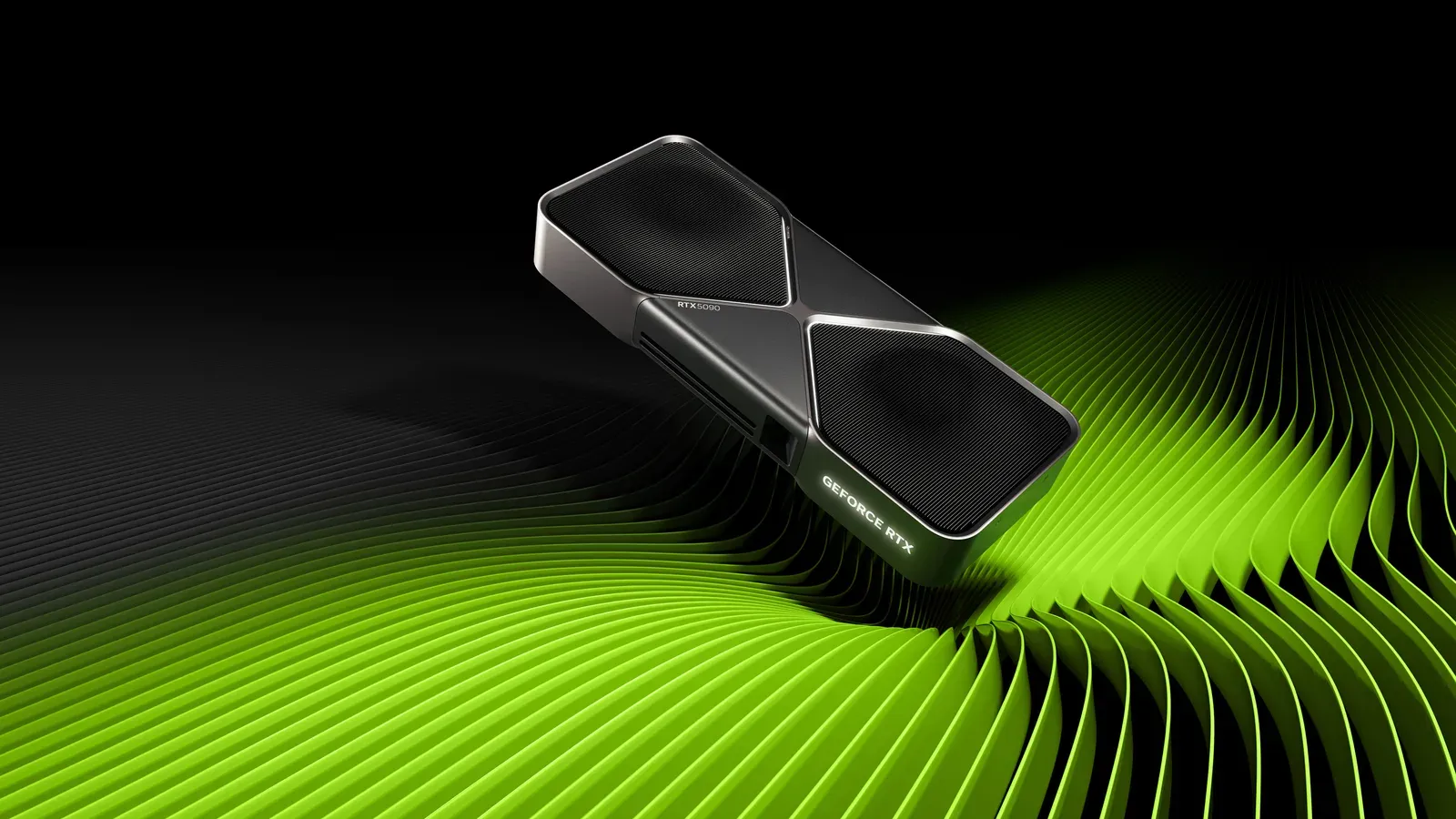
A fixed basket of Nvidia graphics cards at EU retailers rose 41.3% in price between the end of June and the week ending September 28. AMD's basket rose 28.3%, according to MIXED's account of PriceSquirrel's tracking. For someone buying a PC for VR, that is a reason to update the graphics card budget before committing to a headset.
The tracking covers 179 Nvidia models and 71 AMD models across 27 retailers in nine countries. Nvidia's average rose from €783 to €1,107. AMD's rose from €644 to €826.
Those are catalogue averages in euros. The Nvidia basket includes entry-level cards as well as the RTX 5090 pictured above. A buyer needs a quote for the specific card they intend to use, rather than treating €1,107 as the cost of a VR-capable GPU. The figures cover EU retail through September 28, so buyers elsewhere need local prices.
Why the fixed basket matters
PriceSquirrel says it follows the same models throughout the period and calculates each product's weekly price from its in-stock offers across retailers. Keeping the model list fixed reduces the risk that an average rises simply because cheaper cards disappear from the catalogue.
MIXED also describes a reported AMD price increase of roughly 10% for the fourth quarter. AMD has made no public announcement confirming it, and the tracking has yet to show an AMD-specific step. The measured 28.3% rise and the reported future increase are separate claims.
Put the GPU quote beside the complete PC price
Our recent PC VR budget guide covered Road to VR's September examples. Its current-headset prebuilt costs $1,700, while the matching DIY parts list costs $2,382. Those dollar-priced systems are a separate snapshot from the EU GPU basket, but they give buyers another comparison to make before ordering parts.
Road to VR also ties the choice of PC to the headset and games. High-resolution headsets and simulation games can demand more GPU power. A lower brand-wide average alone cannot establish which card will meet that workload.