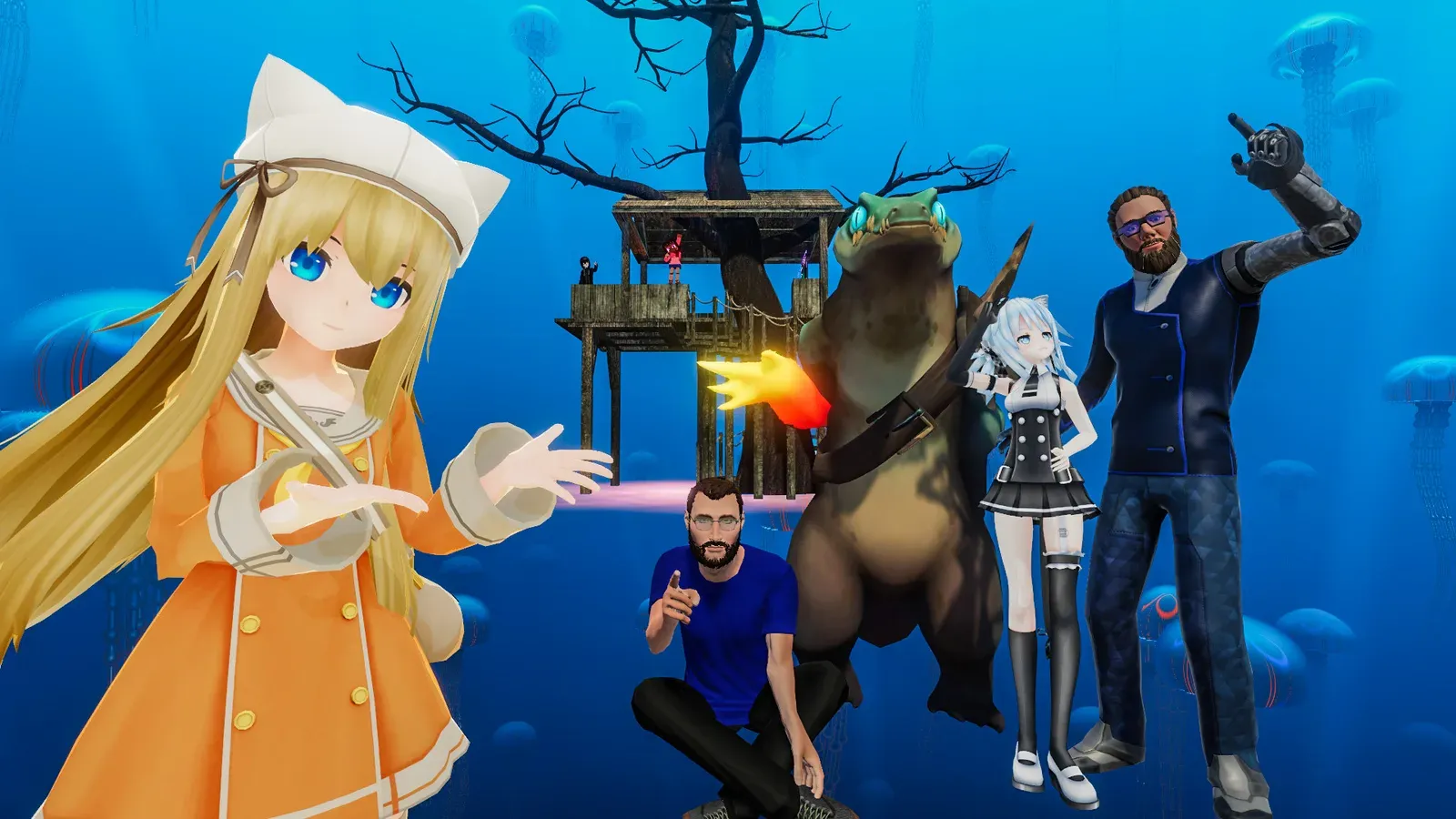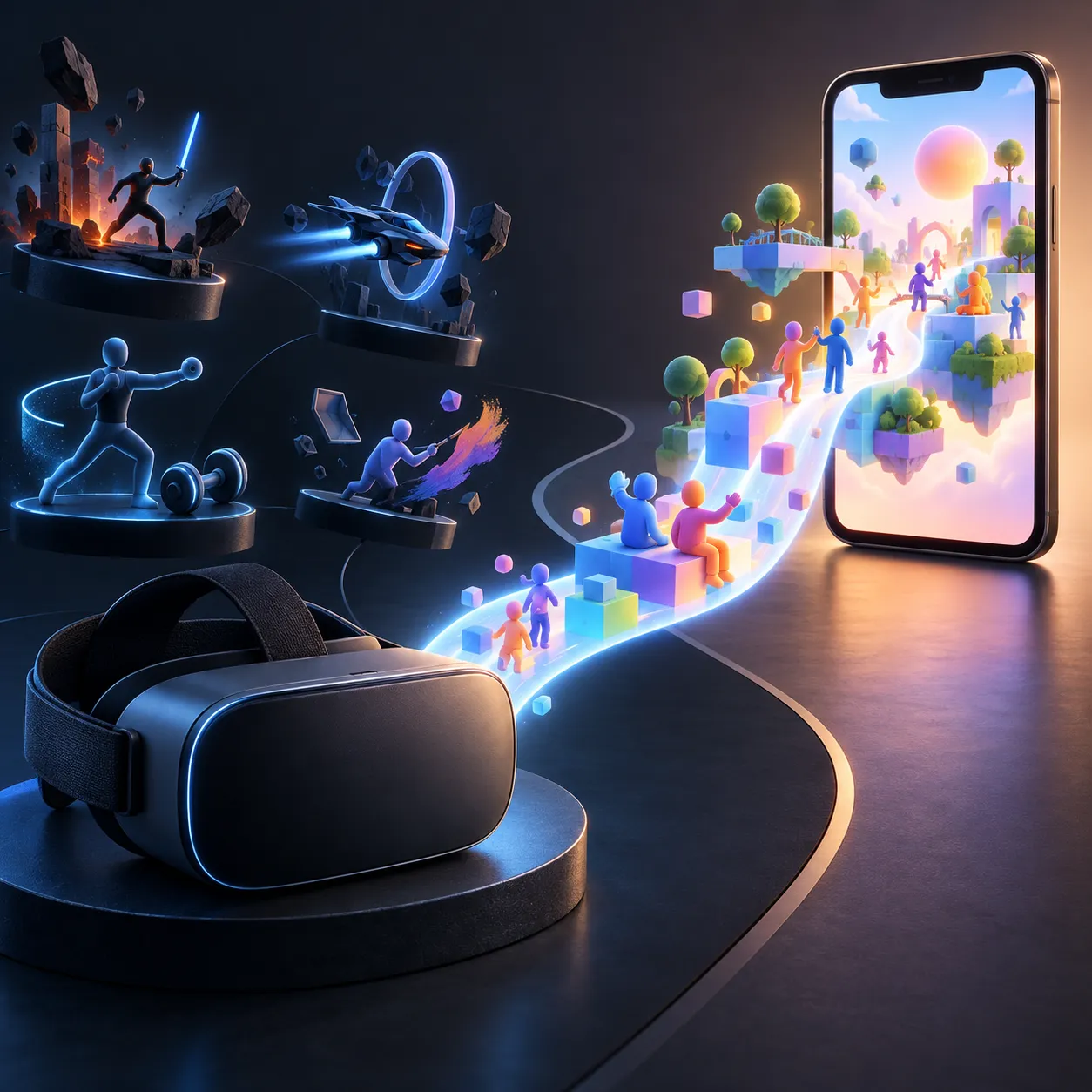
Meta's June 15 cutoff for Horizon Worlds on Quest has arrived. The practical change is narrow but symbolic: remaining VR worlds and the Horizon Worlds VR app are being removed from the Quest platform, while mobile-optimized Horizon worlds continue in the Meta Horizon mobile app.
That is not the same thing as Meta ending Quest VR. Meta's own update says standalone VR apps on Quest are not affected, and its developer blog frames the move as a separation between the Quest VR platform and Worlds. For headset owners, the useful read is that Quest is becoming less of a first-party social metaverse device and more clearly a headset for standalone apps, games, fitness, media, and mixed-reality software.
What changes after June 15
Meta laid out the June 15 date in its Quest community update. After that date, creators can no longer publish or update VR worlds, and the remaining VR worlds plus the Horizon Worlds VR app are removed from Quest.
The company had already started the transition earlier in the year. By March 31, Horizon Worlds and Events were scheduled to disappear from the Quest Store, while Horizon Central, Events Arena, Kaiju, and Bobber Bay were also being removed from VR. Horizon-specific Meta Horizon+ perks, including Meta Credits, digital clothing, avatars, and in-world purchases, were also removed from the subscription while the core monthly games benefits stayed in place.
For everyday Quest owners, the important distinction is access. Horizon Worlds moves to mobile-optimized worlds in the Meta Horizon mobile app. Other Quest apps and games do not disappear because of this Horizon change.
Why Meta is doing it
Meta's developer post from February explains the strategy more plainly than the product-change note. The company says it is separating its Quest VR platform from Worlds so each can grow with more focus, while shifting Worlds to be almost entirely mobile.
Meta's argument is that the Quest audience and the mobile Worlds audience are now different enough to need different roadmaps. On Quest, Meta says it wants to support third-party VR developers, improve software quality, and make the store better for standalone apps. For Worlds, it is chasing a larger mobile social audience across phones rather than trying to keep user-generated worlds centered on headsets.
That is an interpretation-friendly pivot, but not a small one. Horizon Worlds was once the most visible expression of Meta's metaverse push in VR. Removing the VR app from Quest makes clear that Meta no longer sees that product as the best way to grow headset usage.
What creators should take from it
The creator message is mixed. Meta says the VR Creator Bonus Program is winding down, with final payouts for VR worlds occurring in May 2026, and that the Creator Fund is now focused on mobile worlds. At the same time, it points VR developers toward standalone Quest apps and the usual developer tooling rather than Worlds.
For creators who built specifically inside Horizon Worlds for VR, this is an end-of-support moment. Existing work needs to be treated as mobile-first or archived elsewhere. For studios building full Quest apps, the signal is different: Meta wants the Quest store to be less crowded by individual worlds and more focused on conventional apps and games.
That could help app discovery if Meta follows through. It also leaves a gap for social VR users who preferred headset-native worlds and did not want a phone-first version of the platform.
What to watch next
The next useful test is whether Quest owners feel any practical improvement after Worlds leaves VR. Meta has mentioned recent Quest interface updates, including Surface Keyboard and Touchpad, customizable app and window positioning, and the wider rollout of Navigator. Those changes matter more now because the headset experience has to stand on its own without Horizon Worlds as a central social layer.
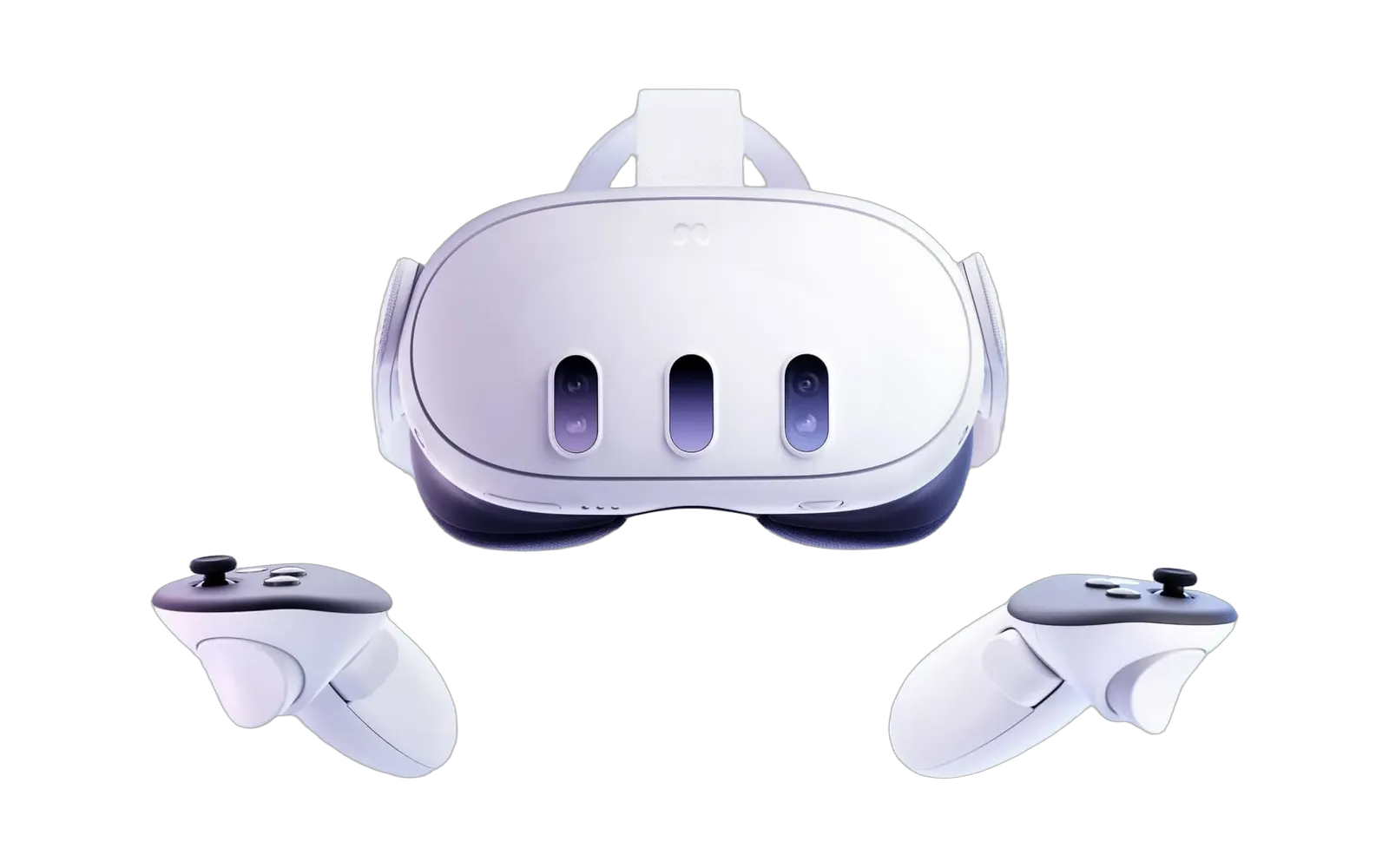
For buyers, this should not change a simple Quest 3 or Quest 3S recommendation by itself. It does change the story around Meta's ambitions. The company is still investing in VR hardware and third-party Quest software, but its consumer social-world bet is now pointed at mobile rather than the headset.