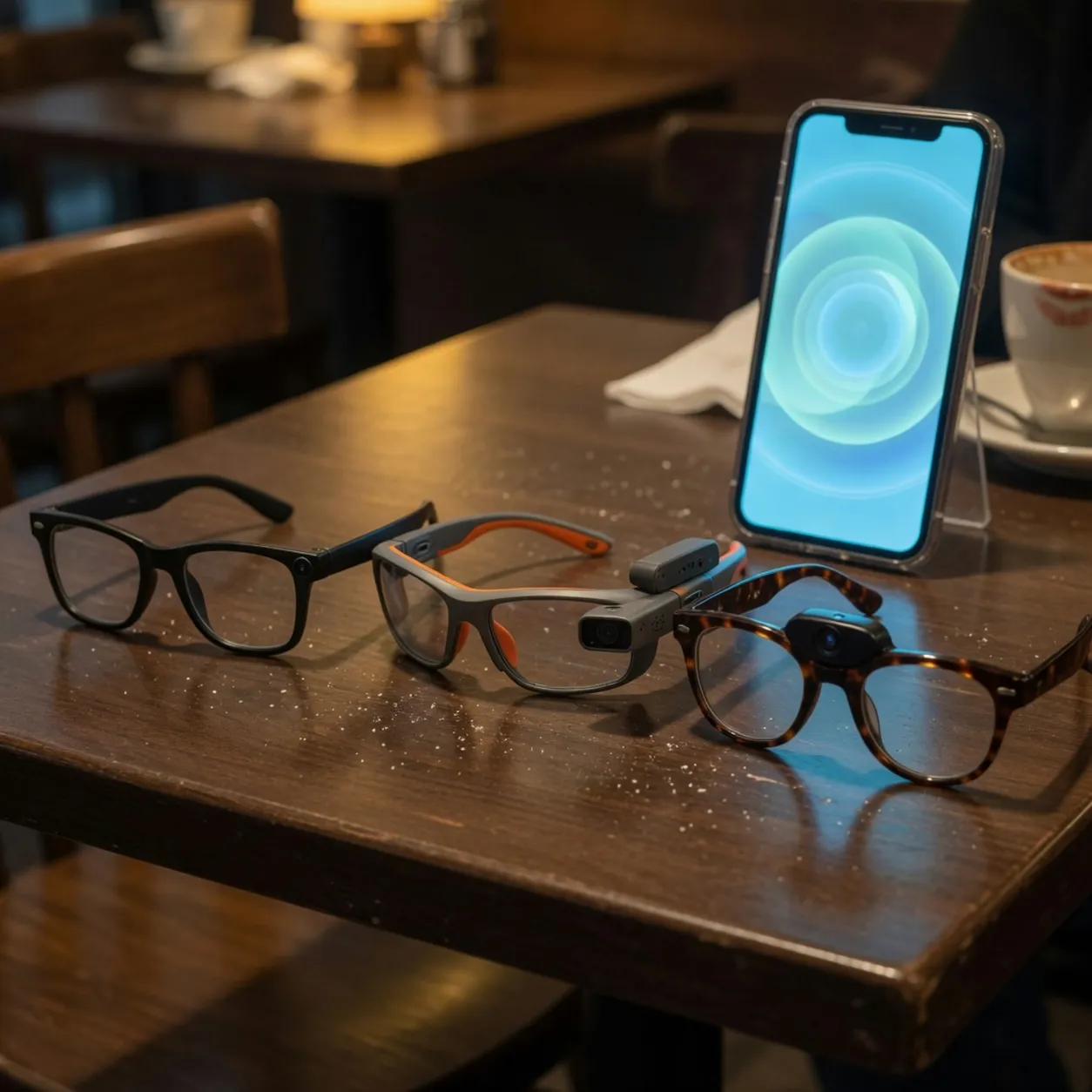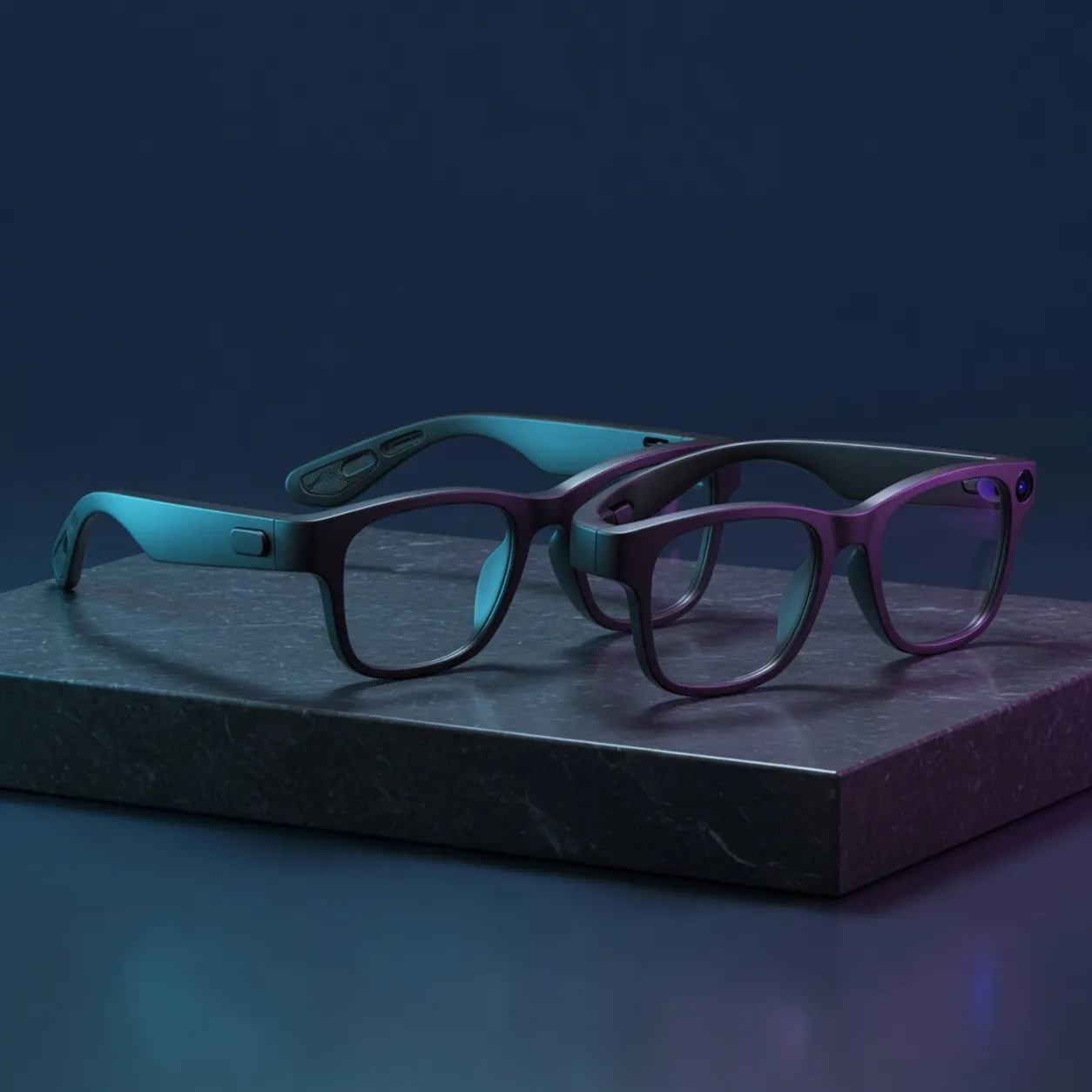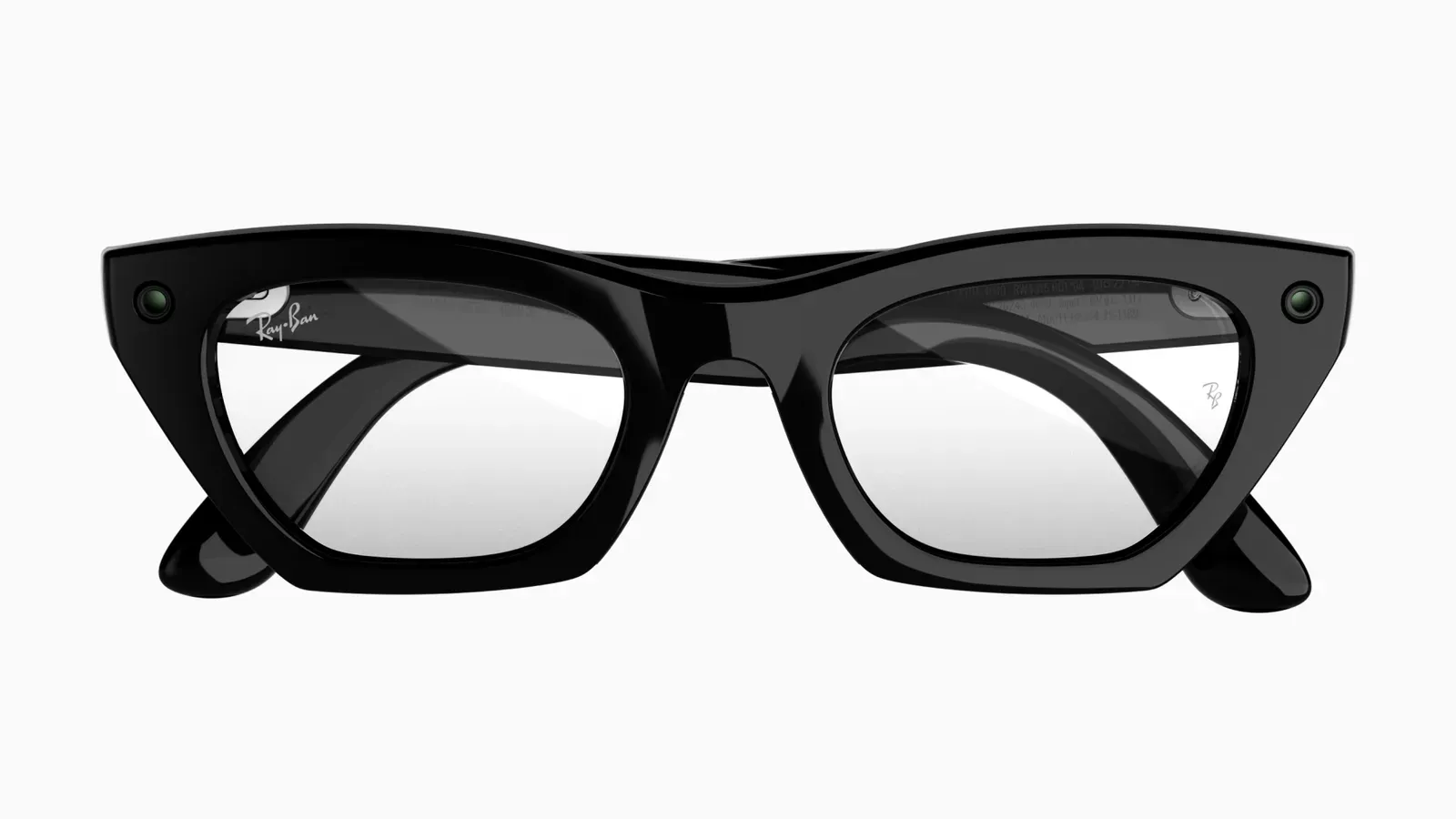
OpenVision 2.14.0 lets Ray-Ban Meta owners connect a ChatGPT Plus or Pro subscription to the third-party iPhone app instead of paying for API credits. But that release came on October 2. A separate fix that moves eight unencrypted credentials into the iOS Keychain merged on October 4, according to MIXED's storage report. Owners considering the app need to check both changes before signing in or supplying keys.
OpenVision uses the glasses' camera and microphone, while the phone handles the conversation with a local model or cloud service. Meta's companion app still handles pairing. Installation requires a source build in Xcode on a Mac.
What the subscription covers
According to MIXED's release report, the new OAuth sign-in supports text, photos, web search and tools. Live video requires an API key or Gemini. The new OpenAI speech option, gpt-4o-mini-tts, also requires an API key with credits, and contributors had yet to verify it on a phone.
The subscription connection uses the Codex CLI integration, which the project says is undocumented for this use and may change or stop working. OpenVision is independent of OpenAI and Meta. The project also observed that signing in on the phone appeared to end a Codex CLI session on the same account, and vice versa.
Version 2.14.0 also adds Grok through an xAI API key or SuperGrok subscription sign-in, with support for glasses photos, web search and conversation history.
What changed in credential storage
Before the October 4 fix, OpenVision saved eight API keys and tokens in plain text in Documents/settings.json. They included credentials for OpenAI, Gemini, Grok and Tavily, plus OpenClaw, Hermes and telemetry credentials. The file sat inside the app's sandbox, where other iPhone apps cannot read it.
The fix moves those credentials to the Keychain on launch and blanks their fields in the settings file. If a Keychain write fails, that secret stays in the file. The keys can still transfer through an encrypted backup or Quick Start. Subscription sign-in tokens, by contrast, stay on the original phone.
MIXED reports that the contributor ran 131 tests with zero failures on an iPhone 16 Pro Max. That phone had no API keys set, so the migration of existing keys had unit-test coverage rather than a test with populated credentials on that device.