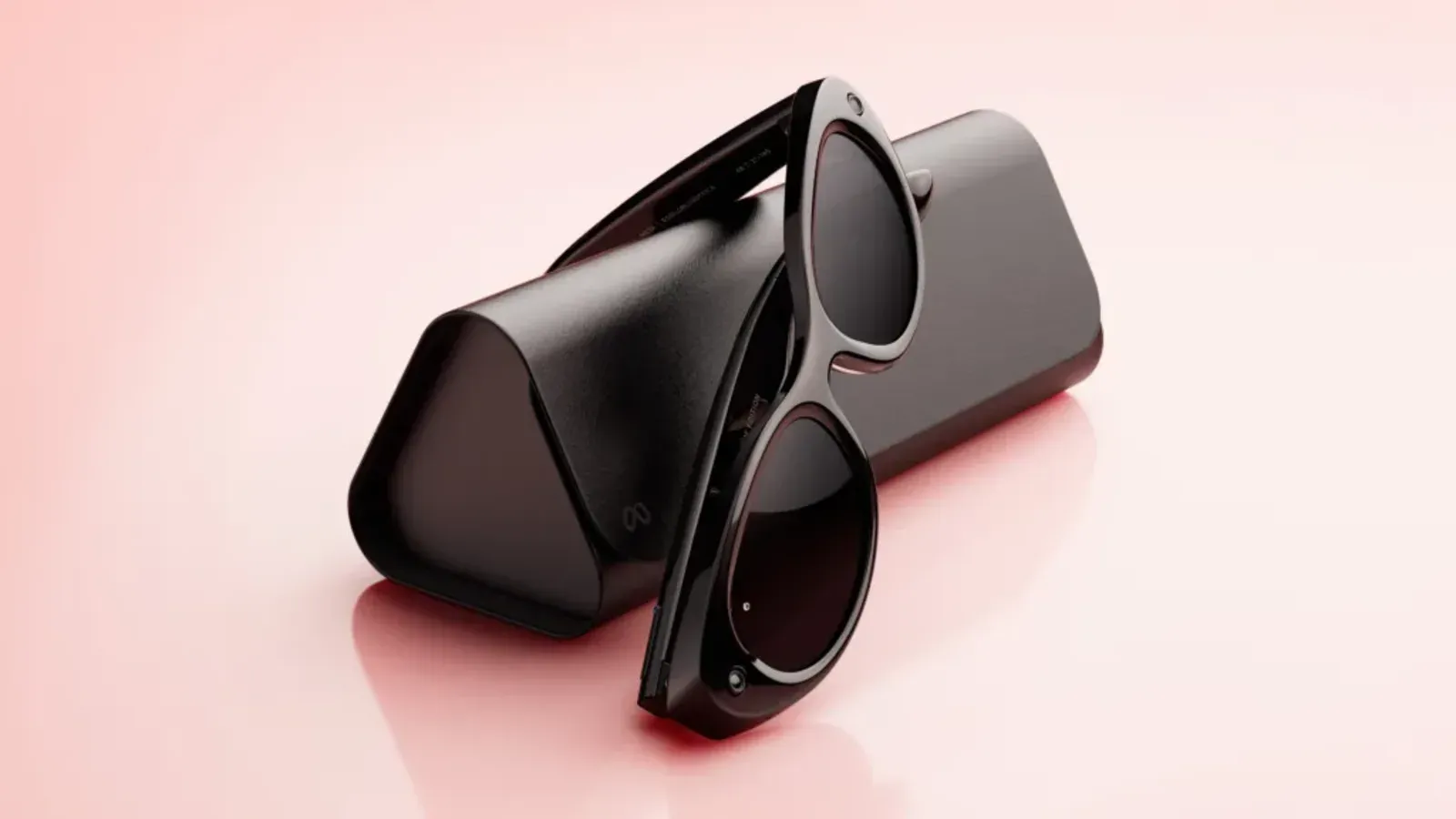
Meta may show a slim mixed reality headset known as Project Phoenix at Meta Connect on September 23 or 24. Reports describe a glasses-like visor connected by cable to a pocketable compute puck. A separate report says Meta could pair the hardware with a live demonstration of photorealistic, full-body Codec Avatars.
Meta has not announced the headset or the demonstration. The current picture combines images found in Horizon OS firmware with reporting from The Information, UploadVR, and Road to VR. Plans for a conference keynote can also change before the event.
Firmware images show the basic design
UploadVR found clear images of the headset in a September update to Meta's HorizonOS Prescription Lens package. The package had first appeared in August as a system-dependent download that did not show up in the normal app library.
The updated files contain instructions for attaching and removing prescription lens inserts and scanning their QR code. Those images appear to show a thin visor with glasses-style nose pads instead of a full facial interface. Sensors are visible along the sides and undersides of the temples.
A rear view shows a cable connected to the end of the left temple. Reports say that cable runs to a separate compute puck, which would move some hardware and weight away from the wearer's head. The same project has appeared under the codenames Phoenix, Stanley, and Loma.
The images give firmer evidence for the physical layout than the broader feature rumors. They still come from firmware for an unannounced product, so they may not show final retail hardware.
It appears to be mixed reality hardware
UploadVR describes Phoenix as a passthrough VR headset with an open periphery, similar in basic operation to Quest 3 and Quest 3S. Cameras would show the outside world on internal displays instead of letting the wearer look directly through transparent lenses.
That distinction matters because one report calls the device augmented reality glasses. The glasses-like shape and possible marketing language do not establish an optical see-through design. Firmware strings cited by UploadVR use the term "VR Glasses," though the outlet notes that the name is not final.
Reports place Phoenix in a premium position similar to the former Quest Pro, with virtual screens and film viewing among its intended uses. No source in the current reporting gives a price, release date, final product name, weight, battery life, display specification, or retail configuration.
A full-body Codec Avatar demo may share the stage
The Information reports that Meta considered a live Phoenix demonstration with CTO Andrew Bosworth appearing as a full-body, photorealistic avatar. Mark Zuckerberg and Bosworth reportedly reviewed the work earlier in September.
Codec Avatars are Meta's long-running attempt to create realistic representations for remote conversations. Earlier demonstrations used specialized capture equipment and high-end computers. Meta has since shown research that can build avatars from fewer photos and run versions on mobile-class hardware such as Quest 3.
The reported Phoenix demonstration would connect that research to a glasses-like headset and a video-call use case. It would not by itself establish a launch date or show that consumers can create and use the same avatars at home. Road to VR notes that the presentation could be another look at research rather than a commercial release.
Meta Connect is the next point where the leaks can be checked against an official product. The details to watch are whether Meta names Phoenix, confirms the compute puck, explains the display design, and says who can use the full-body calling system outside a staged keynote demo.