Applied Materials is making a bigger play for the part of AR glasses that buyers rarely see: the optical stack that has to make displays, lenses, dimming, sensing, and manufacturing all work inside normal-looking eyewear.
The company announced SENZ, an integrated visual platform for next-generation display smart glasses, on June 17. One day earlier, Applied Materials and EssilorLuxottica announced a long-term joint development agreement focused on augmented reality optics platforms for smart eyewear.
This is not a consumer headset launch. There is no retail price, ship date, or named finished product attached to the announcements. The news matters because it points at one of the bottlenecks behind everyday AR glasses: turning impressive lab optics into parts that can be designed, manufactured, fitted, and supported at eyewear scale.
What Applied Materials announced
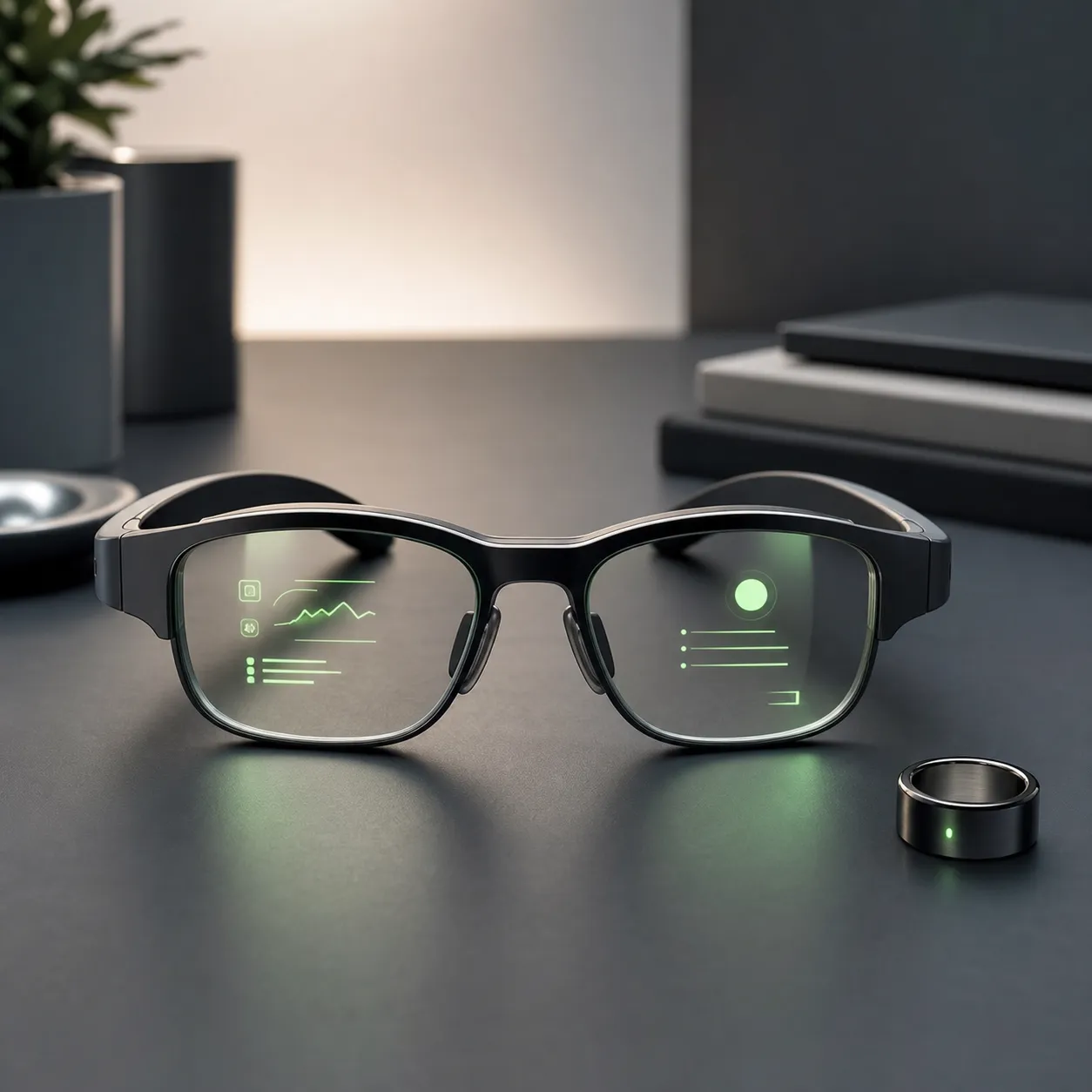
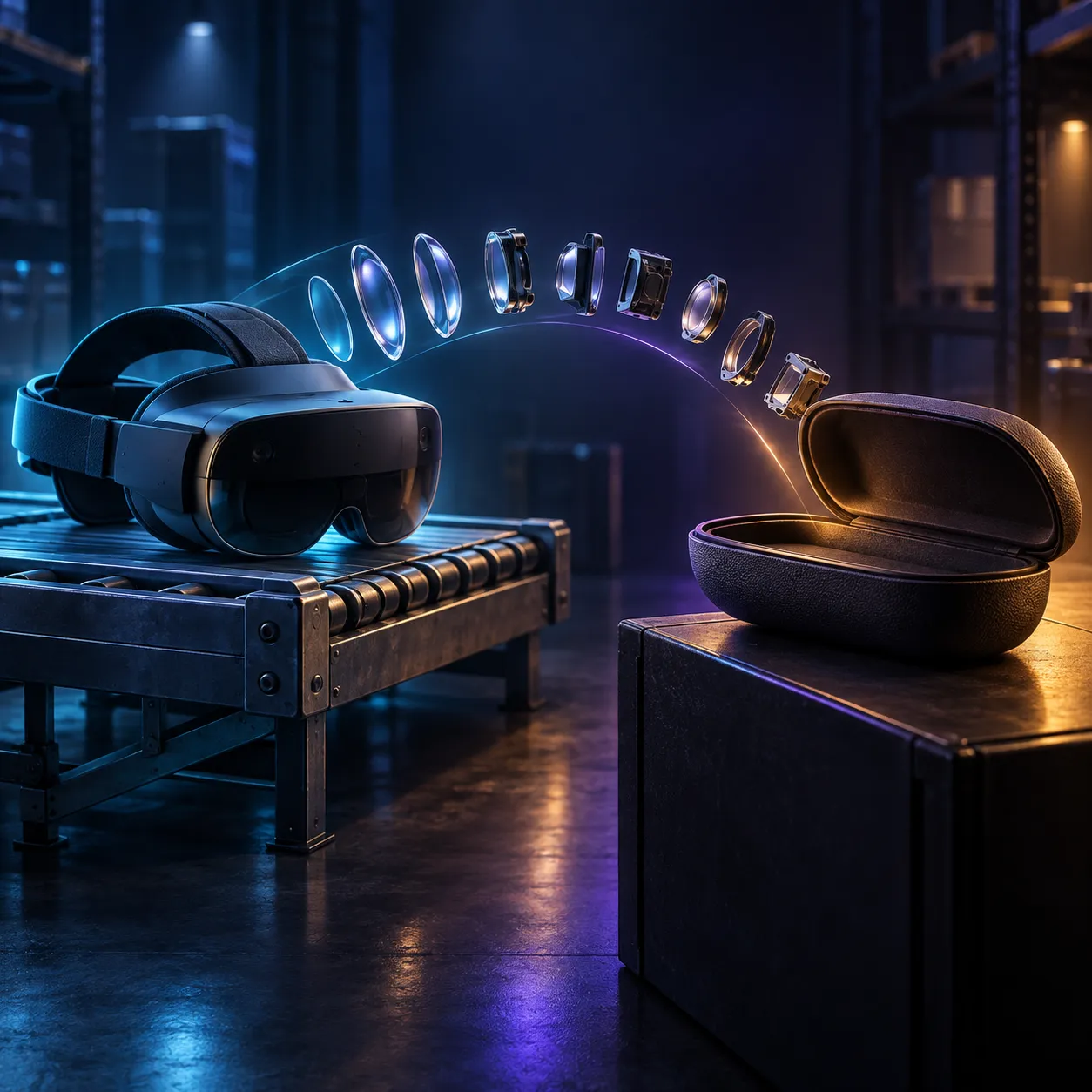
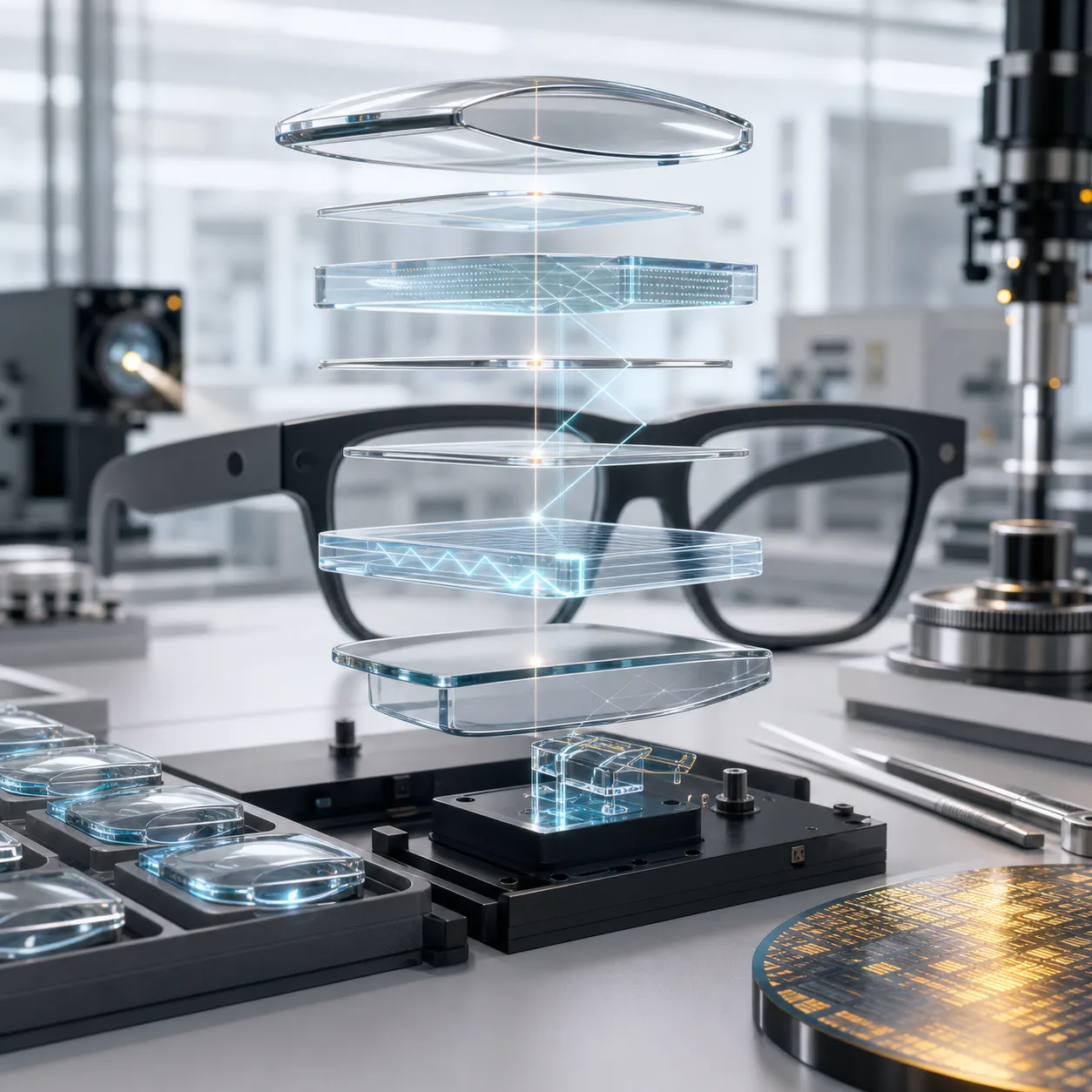
SENZ is Applied Materials' attempt to package the visual side of display smart glasses as a more complete system. The company says the platform combines waveguide optics, a light engine, sensing, vision correction, and electronic dimming in one co-optimized stack.
That matters because smart-glasses makers are not only trying to make a tiny display. They need a transparent lens that can guide projected images into the eye, support real vision correction, adapt to changing light, and still fit into frames that people are willing to wear.
Applied Materials says the platform is meant to reduce time-to-market and manufacturing complexity for customers and partners. It also named GlobalFoundries and Qualcomm Technologies as supporting partnerships for the SENZ launch, with GlobalFoundries tied to waveguide production at its Singapore fabrication facility and Qualcomm connected through Snapdragon START.
Why EssilorLuxottica is involved
EssilorLuxottica brings the eyewear side of the equation. Applied Materials' release points to EssilorLuxottica's work in lenses, frames, and smart eyewear, while Applied contributes materials engineering and waveguide technologies.
The two companies say they will work on waveguides, adaptive lens systems, materials innovations, light-adaptive and electro-active lenses, and encapsulation technologies. They also plan to run joint research from a dedicated collaboration lab on Applied Materials' Silicon Valley campus.
For the AR market, that combination is the practical story. Display glasses have to satisfy both computing requirements and eyewear requirements. A headset can be bulky and still be useful for gaming, training, or simulation. Glasses have to survive a much harsher test: comfort, prescription needs, outdoor light, style, heat, battery life, and all-day social acceptability.
What this does not confirm
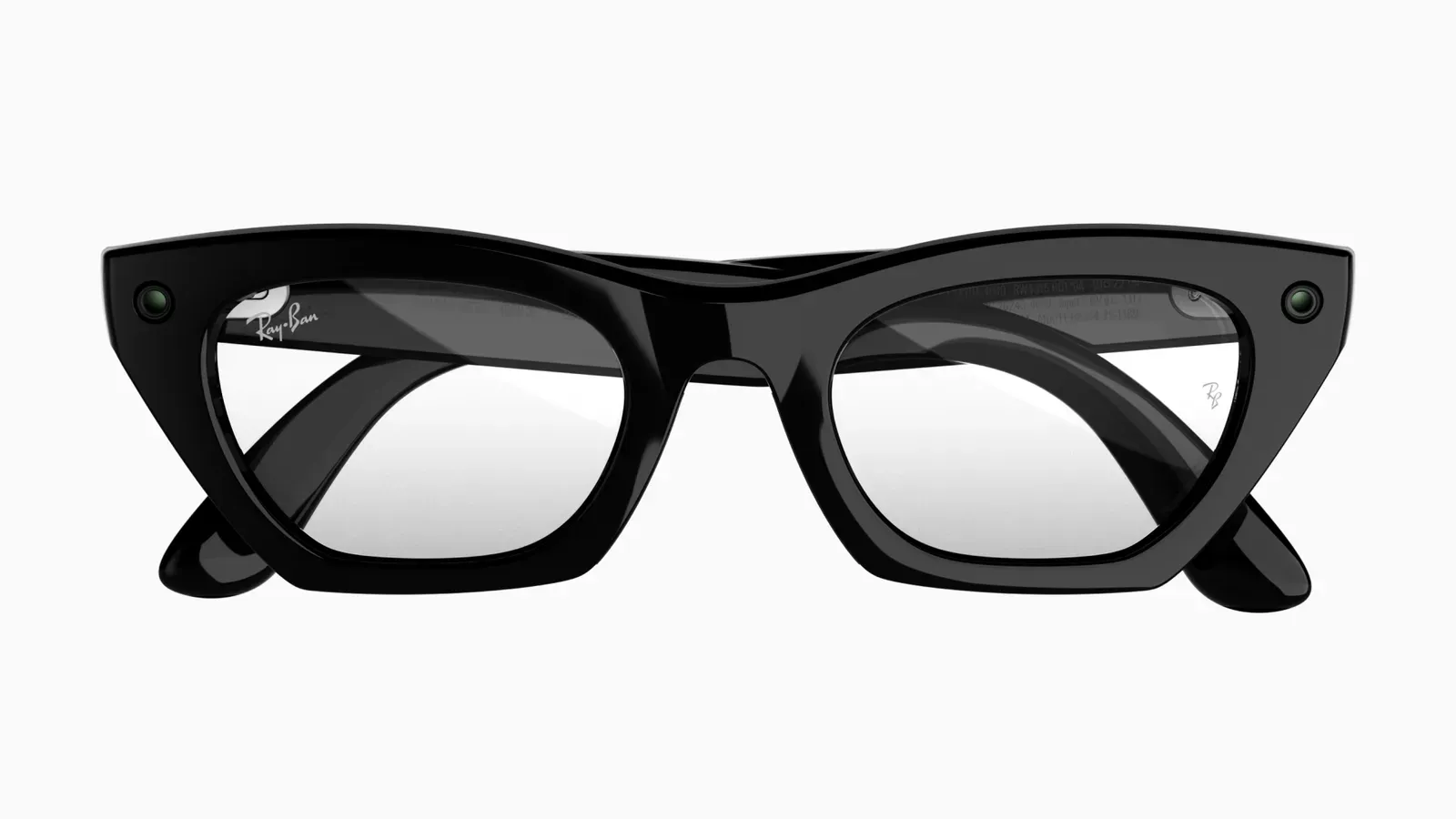
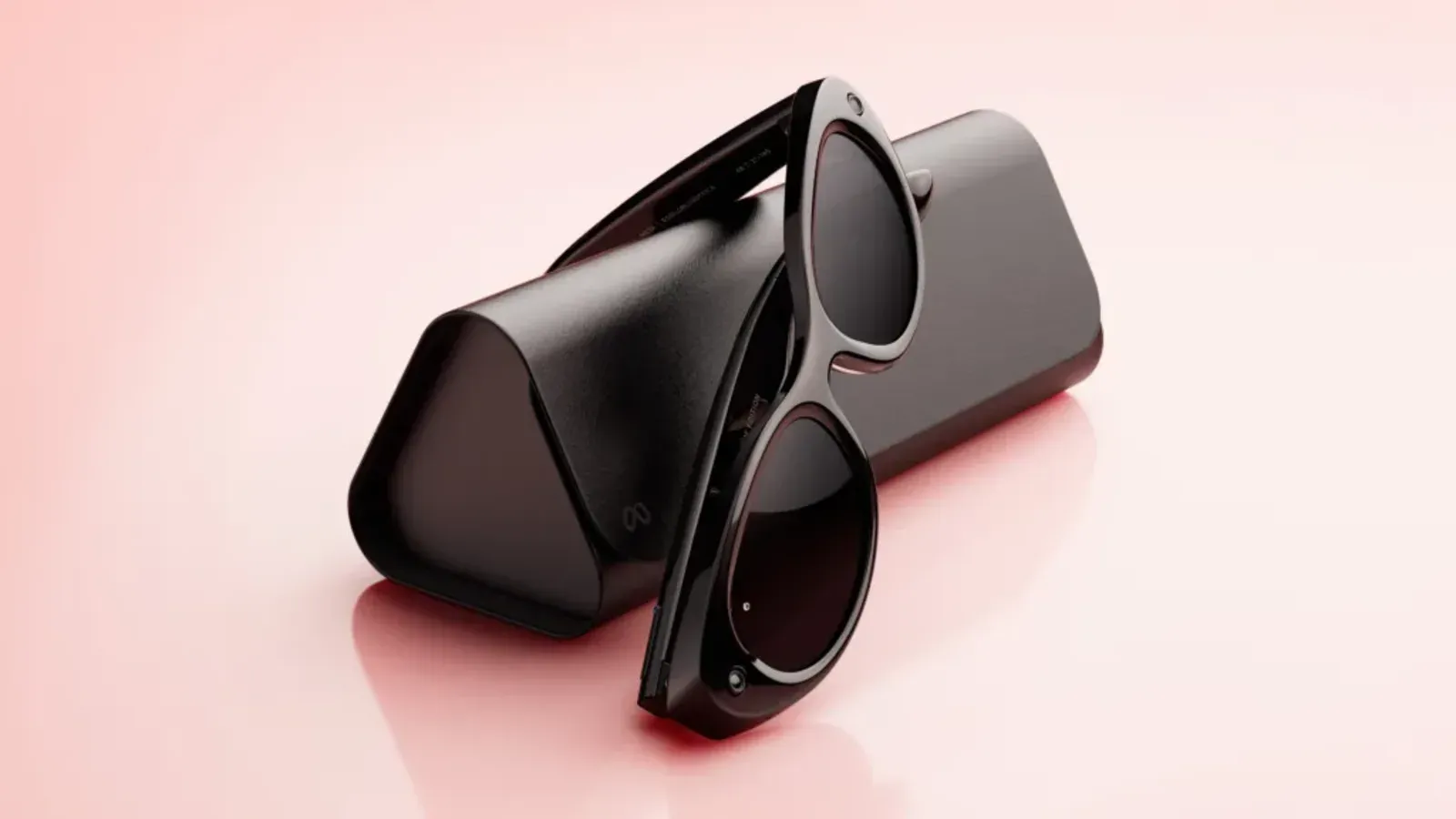
The announcements do not confirm a new Ray-Ban Meta model, a finished EssilorLuxottica-branded AR product, or a launch date for consumer display glasses. They also do not prove that AR glasses are about to become mainstream.
Road to VR framed the partnership as a push to scale AR and smart-glasses optics, which is the right level of caution. It is a supply-chain and platform signal, not a buyer-ready device.
The important thing to watch is whether this kind of integration starts showing up in actual products. If smart glasses can move from fragmented components toward validated optical systems, the next generation may have a better shot at thinner frames, clearer displays, better outdoor use, and fewer one-off engineering compromises.
Why it matters for VR and XR watchers
For VR buyers, this story is not a reason to wait on a headset purchase. Quest, PS VR2, PC VR, and Vision Pro still solve different problems today.
For XR watchers, though, it helps explain why the smart-glasses race is moving beyond chips and AI assistants. Qualcomm, Google, Snap, Meta, XREAL, and others can push the compute side forward, but display glasses also need optics that can be manufactured repeatably.
That is where Applied Materials and EssilorLuxottica are aiming: not at a flashy demo, but at the less glamorous infrastructure that could make future AR glasses easier to build at scale.