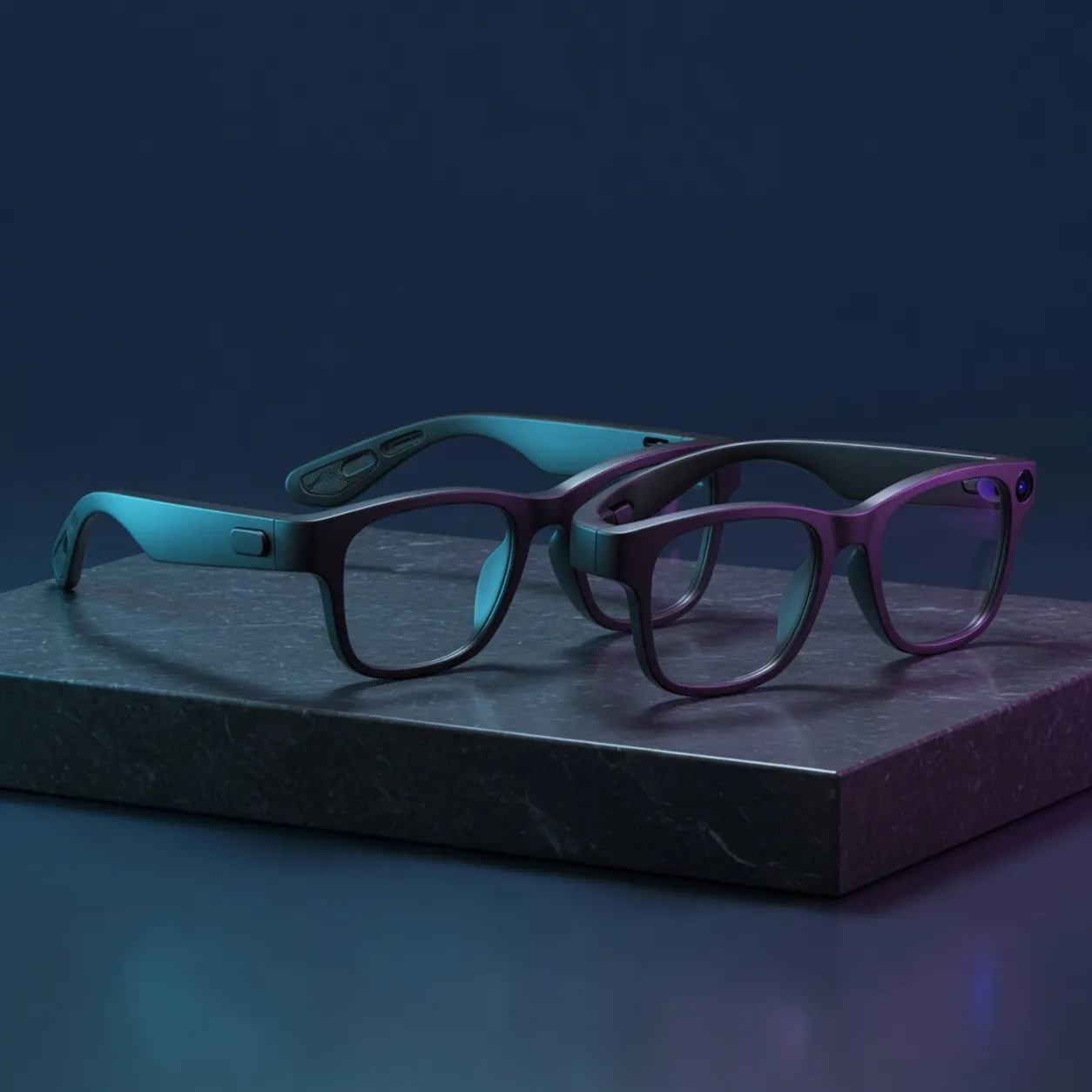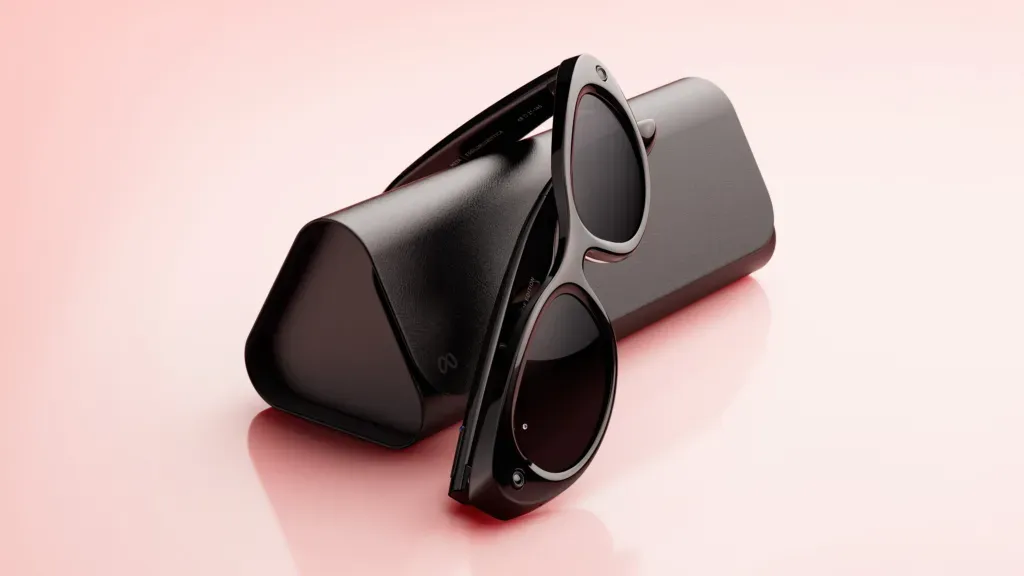
Even Realities has raised $150 million for its smart-glasses business, putting a larger investor spotlight on a different kind of AI eyewear than Meta, Snap, and other camera-forward players.
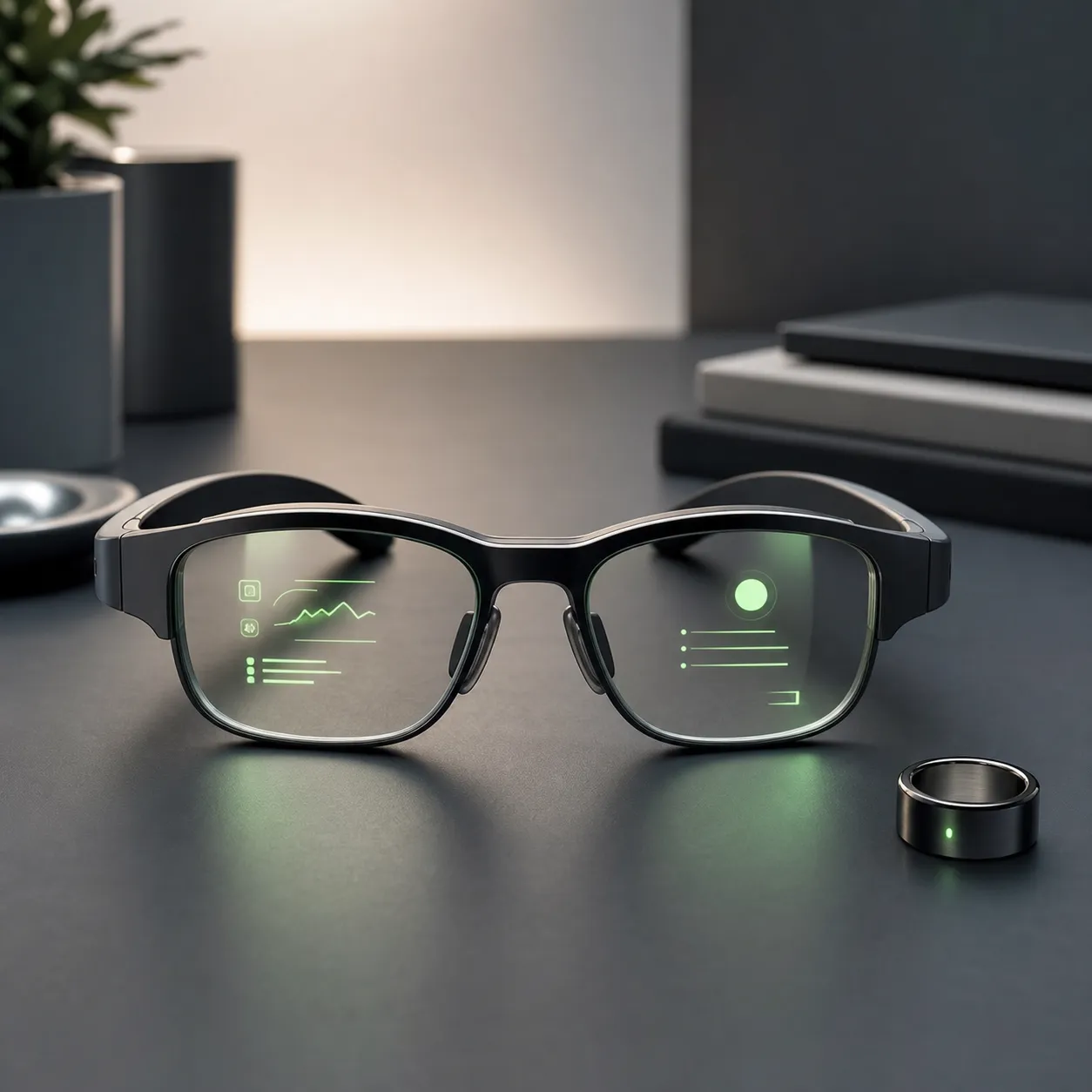
TechCrunch reports that the round values the Shenzhen-based company at $1 billion and was led by Meituan and Tencent. Road to VR frames the same round as a bet on camera-free display glasses, with the company building around binocular monochrome displays and a companion ring instead of trying to make face-worn cameras the center of the product.
That distinction is the story. Smart glasses are no longer only about whether a camera, speaker, and AI assistant can fit into normal-looking frames. Even Realities is arguing for a quieter version of the category: glanceable information, translation, prompts, and controls without turning the wearer into a walking camera.
Why this matters for XR
Most consumer VR buyers will not cross-shop Even Realities glasses against a Quest 3 or Apple Vision Pro. These are not immersive headsets, and they do not replace a room-scale VR setup.
They do matter to the XR market because investor attention keeps moving toward lighter, everyday wearables. A $150 million raise for a display-first glasses company says the next fight is not only around more powerful headsets. It is also around which face-worn device people will tolerate in public, at work, and during normal conversation.
Meta's recent glasses push and Snap's Specs roadmap have made camera-equipped AI glasses the loudest version of that future. Even Realities gives the market a counterexample: keep the display, reduce the social friction, and pair the glasses with a smaller input device instead of leaning on capture.
The camera-free pitch
Even Realities' support documentation for the earlier G1 says the glasses do not have a built-in camera, which means the AI feature relies on voice input rather than text or image capture. The same FAQ describes optical waveguide display technology, real-time translation support, navigation, teleprompting, and privacy claims around data handling.
The current Even Realities site points the lineup toward Even G2 smart glasses and the Even R1 ring. The company describes the ring as a discreet controller for the glasses, which helps explain why the product sits closer to an ambient display system than a camera-first content device.
That does not remove every privacy question. A microphone, AI assistant, translation feature, or meeting prompt can still create consent and data concerns. But leaving out cameras changes the social contract. People around the wearer are less likely to wonder whether they are being recorded, and the product has to justify itself through useful display moments rather than capture.
A different bet from Meta and Snap
Meta and Snap are chasing a broad smart-glasses future where cameras, AI, voice, media capture, and social sharing all sit on the face. That strategy is powerful because it connects hardware to existing creator and messaging networks. It is also risky because public trust in always-available cameras remains fragile.
Even Realities is betting that less can be more. A display that surfaces notifications, translations, navigation cues, prompts, and lightweight AI responses may be less dazzling than camera-based multimodal AI, but it is easier to imagine wearing in more situations.
For XR companies, the lesson is not that cameras are doomed. It is that smart glasses may split into several categories: capture glasses, display glasses, professional assistive glasses, and eventually more ambitious AR devices. Those categories will need different privacy expectations and different buyer promises.
What to watch next
The funding round gives Even Realities room to keep building, but it does not automatically prove that display glasses are a mass-market product. The next useful signals are availability, software reliability, developer support, battery life, prescription handling, and whether the R1 ring becomes a real control advantage instead of another accessory to charge.
It is also worth watching whether Meta, Snap, Google, XREAL, and other smart-glasses companies respond with more camera-free or camera-optional designs. If they do, Even Realities' raise will look less like a niche hardware story and more like an early sign that the AI glasses market is dividing around privacy and social comfort.
For now, the practical takeaway is simple: smart glasses are becoming an XR funding battleground, and not every serious player thinks the winning pair needs a camera.