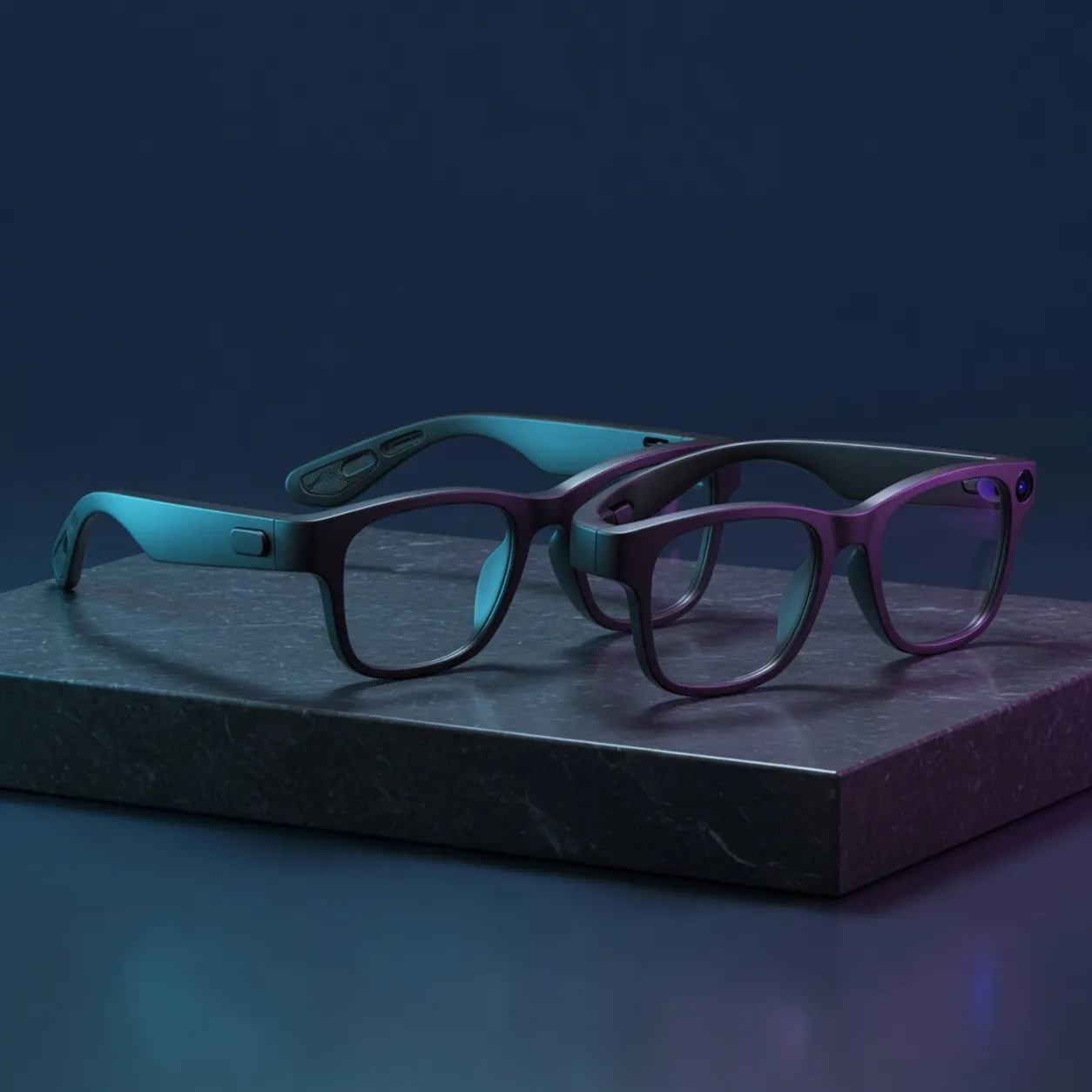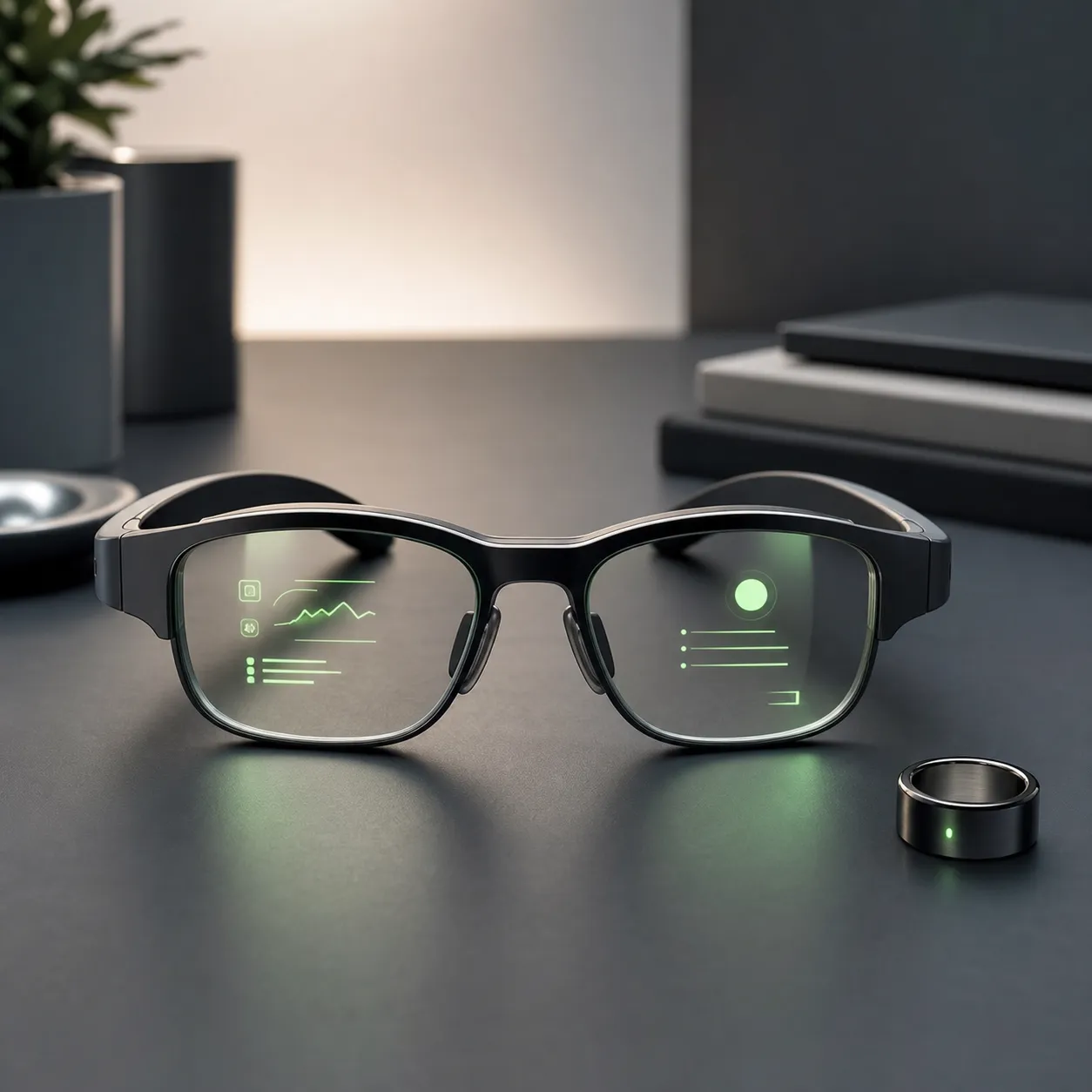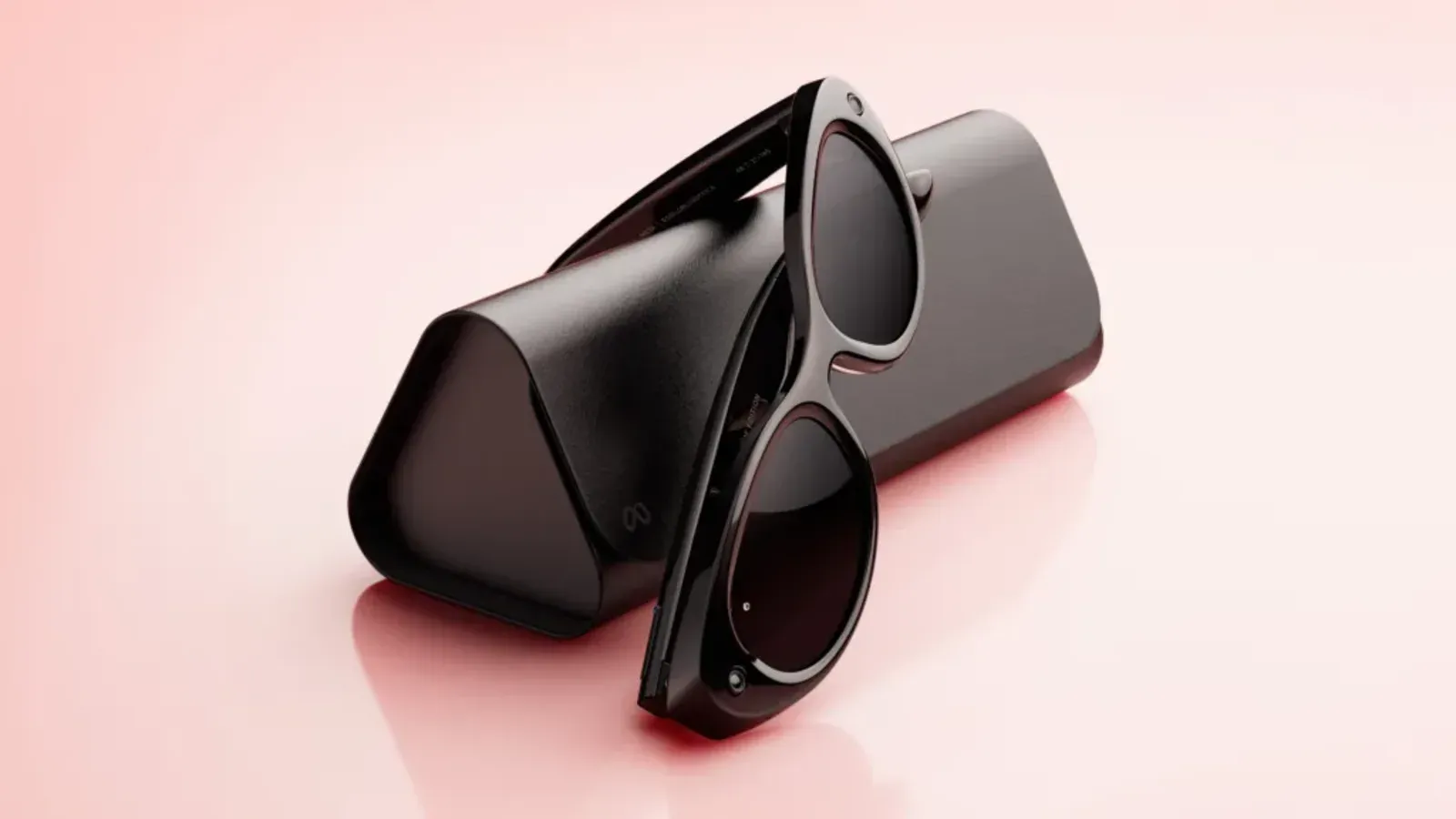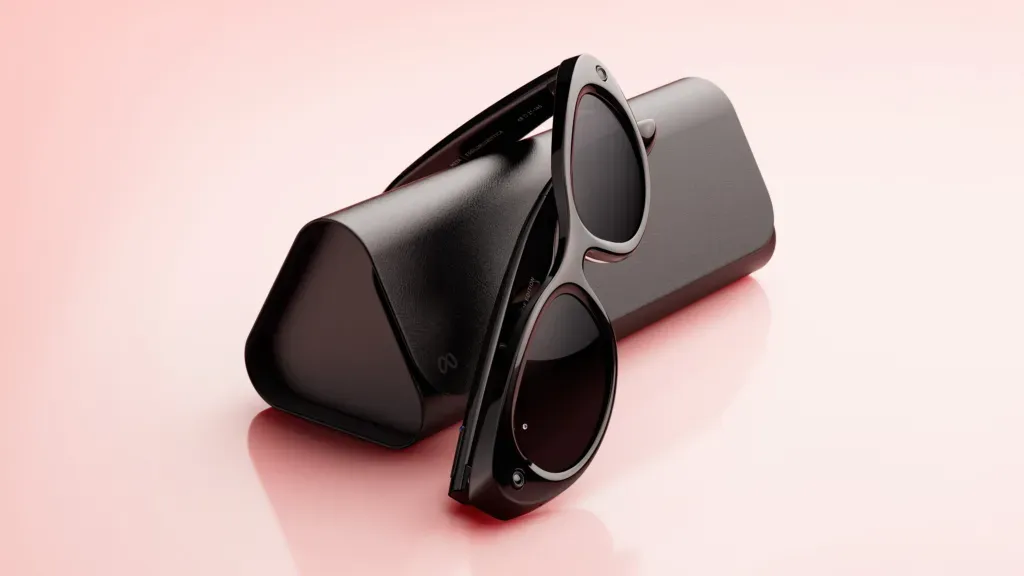
Meta's camera-equipped smart glasses are getting a tougher privacy-light safeguard. The Verge reports that Meta will update the glasses so the camera turns off if the device detects that the capture LED has been tampered with or destroyed, and UploadVR says Meta framed the change as a mandatory firmware update.
That is a hardware change rather than a policy note. Meta's current public privacy page already tells users to keep the capture LED visible and says the glasses notify the wearer if the LED is covered before taking a photo, recording video, or going live. The new reporting says Meta is moving beyond a warning prompt toward disabling camera use when physical tampering is detected.
Why the LED matters
Camera glasses depend on a social bargain: the wearer gets hands-free capture and AI features, while people nearby get some visible cue when the camera is being used. The capture LED is the most obvious part of that bargain.
That is why tampering matters. If the indicator can be covered, removed, or modified, people around the wearer have less reason to trust the device. The Verge says Meta had already tried to discourage blocking the light on second-generation glasses, while UploadVR reports that Meta now plans to disable the camera if the LED is physically tampered with or destroyed.
This does not make every privacy problem disappear. A small light can still be hard to notice, especially in bright outdoor spaces, crowded rooms, or quick interactions. But it does close one of the more direct abuse paths: modifying the hardware so the wearer can keep using the camera without the intended capture signal.
The timing is not accidental
The update lands while Meta is pushing glasses harder. Meta launched its own Meta Glasses line in June, starting at $299, alongside Ray-Ban Meta and Oakley Meta products. Meta's launch post describes the glasses as displayless AI glasses with hands-free photo and video capture, open-ear audio, microphones, Meta AI, live translation, and privacy controls.
That wider rollout makes trust more important. A niche wearable can survive with rough edges. A mainstream glasses line needs to work in normal public spaces, workplaces, schools, stores, venues, and homes where bystanders did not choose to join the product experience.
The Verge also reports, citing the Financial Times, that Meta is exploring "super sensing" smart-glasses prototypes that could continuously record audio and frequently capture photos for AI use. Meta told The Verge that it does not comment on internal prototypes and said its goal is to build glasses that are loved by wearers and people around them, with privacy built in.
For readers, the key distinction is that the LED tamper update is about shipped smart-glasses behavior reported by multiple outlets, while "super sensing" remains reported prototype work. The two stories still connect because they point at the same issue: wearable AI will only get more useful if people trust what the device is doing.
What this means for buyers
If you already own Ray-Ban Meta, Oakley Meta, or Meta Glasses, the update is a reason to keep firmware current. It should make modified or damaged capture-light setups less viable, and it gives venues, households, and workplaces a clearer baseline for what normal device behavior should look like.
If you are considering smart glasses, treat privacy as a product feature, not a footnote. Ask whether the glasses have a visible capture indicator, how recording works, whether the device can be powered off quickly, what data settings are available, and whether the company explains how AI features use captured content.
For VR and XR buyers, this is also a reminder that smart glasses are a different product from headsets. They live in public, face outward, and affect people who are not wearing them. That makes social trust as important as battery life, camera quality, or AI accuracy.
What to watch next
The next useful signal is whether Meta publishes fuller technical details on the LED tamper-detection update, including which models receive it, how quickly the firmware reaches users, and what error state appears when the camera is disabled.
It is also worth watching whether competitors follow with stronger capture indicators, audible cues, hardware shutters, camera-free models, or clearer bystander controls. The smart-glasses market is starting to split between camera-first, display-first, and assistant-first products. Privacy design may become one of the ways buyers tell those categories apart.
For now, Meta's move is a necessary guardrail. The harder question is whether camera glasses can become everyday devices without making everyone nearby feel like they have to inspect the frames first.