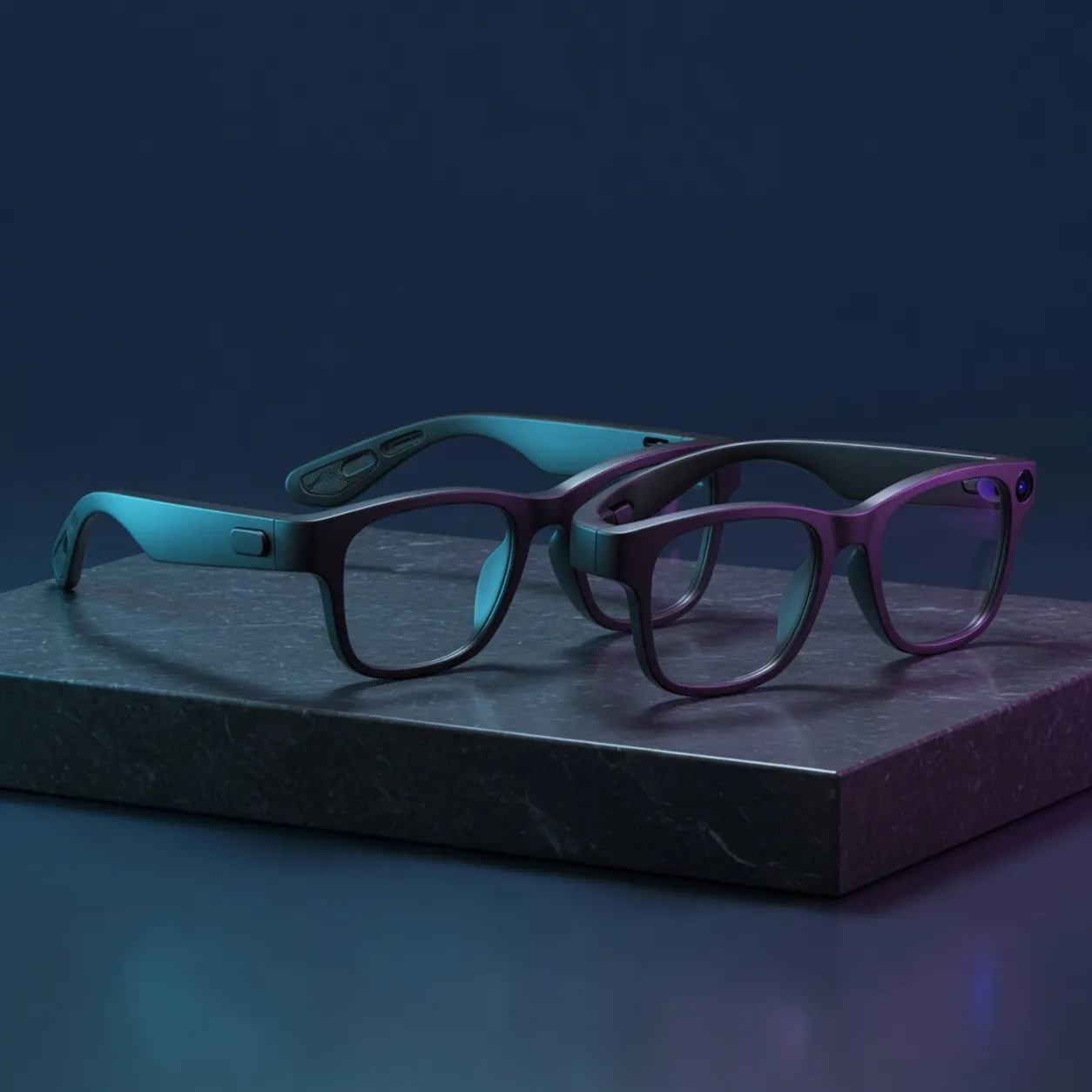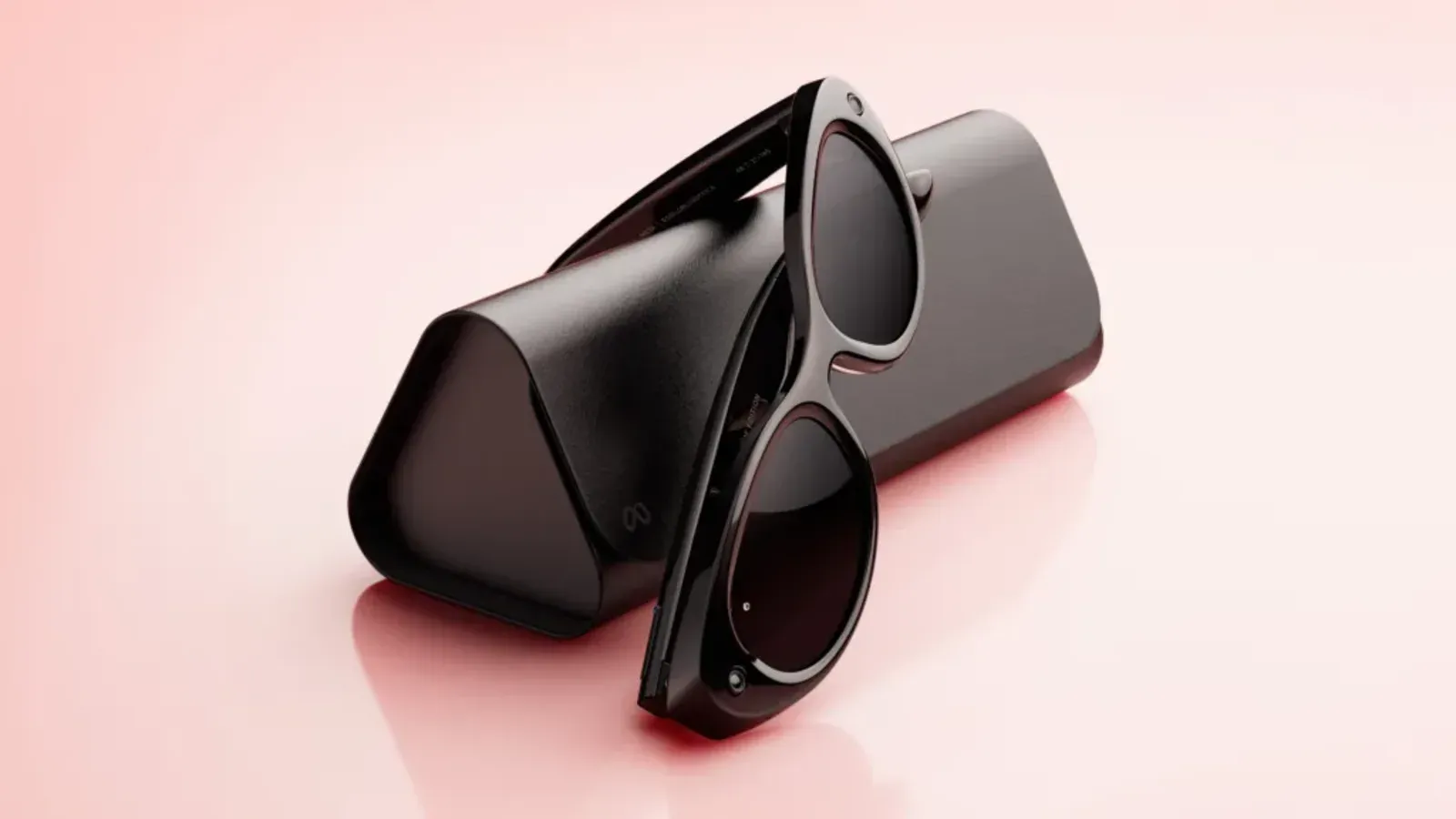
Meta has launched a new Meta-branded AI glasses line starting at $299, giving the company a cheaper smart-glasses entry point that does not carry Ray-Ban or Oakley branding.
The important caveat for VR buyers is that these are not AR glasses and they are not a headset replacement. Meta Glasses are displayless smart glasses with cameras, speakers, microphones, Meta AI access, and a charging case. Their role in the XR market is different: they are another step in Meta's push to make wearable AI normal before full visual AR glasses are ready for mainstream buyers.
What Meta announced
Meta says the new Meta Glasses line is made with EssilorLuxottica and starts at $299. The live product page lists three style families: Meta Adventurer, Meta Fury, and Meta Starfire. Meta's announcement says the wider launch includes 26 styles across colors, lenses, and frames.
The launch also shifts the branding. Ray-Ban Meta and Oakley Meta glasses remain part of Meta's portfolio, but this new line puts the Meta name on the frames directly. That matters because it lets Meta compete below the price of its more fashion-led partner brands while still using the same broad AI-glasses playbook.
Meta says the glasses support prescription lenses, including a new Rx Lens Swap path that lets customers add prescription lenses through a preferred optician after purchase without voiding the warranty. That is a practical fit detail, because prescription support is one of the friction points that determines whether smart glasses can become an everyday device.
What the glasses actually do
Meta lists the core feature set as Meta AI access through a dedicated action button, open-ear speakers, a multi-mic array, hands-free photo and video capture, privacy controls, and more than 8 hours of battery life. The foldable charging case is rated for up to 40 additional hours.
The AI angle is also part of the launch. Meta says this is its first AI-glasses line to ship with Meta AI powered by Muse Spark on day one. The company says the same AI update is also available on Ray-Ban Meta and Oakley Meta glasses in the US and Canada.
For users, the most concrete near-term additions are not visual AR overlays. Meta says the glasses support live translation across 20 languages, and that pedestrian navigation is coming soon for its displayless glasses. Those are useful wearable-computing features, but they still happen through audio and camera input rather than a screen in front of your eyes.
Why it matters for XR hardware
The $299 starting price is the headline because it moves Meta's smart-glasses ladder closer to the price of mainstream accessories rather than VR headsets. That gives Meta a wider funnel: some buyers may start with AI glasses for everyday capture, audio, and assistant features while still using a Quest headset for actual VR and mixed reality.
It also shows how Meta is splitting its hardware strategy. Quest headsets remain the path for immersive games, fitness, PC VR streaming, and mixed reality apps. Displayless glasses are the path for wearables that people can plausibly keep on all day. Those product categories may overlap later, but this launch keeps them separate.
That separation is good for buyers. If you want Beat Saber, VRChat, room-scale games, or mixed reality apps, this is not the device. If you want a lighter wearable for calls, music, camera capture, AI questions, and translation, Meta is trying to make that entry point cheaper and less dependent on Ray-Ban branding.
What to watch next
The first thing to watch is whether the $299 versions stay easy to buy once the launch wave settles. Meta says the glasses are available starting today through Meta.com, Best Buy, Amazon, LensCrafters, Sunglass Hut, and other retailers in several countries, but specific frame, color, lens, and prescription choices can still vary by store and region.
The second thing is software. Meta is promising regular updates, live-translation expansion, dynamic photo capture, and pedestrian navigation. Those features will determine whether the new line feels meaningfully different from earlier Ray-Ban Meta glasses or simply cheaper.
For VR buyers, the practical read is simple: Meta Glasses are not a Quest alternative. They are a lower-cost wearable AI lane sitting beside Quest, Ray-Ban Meta, Oakley Meta, and Meta's longer-term AR ambitions.