XREAL has opened reservations for Aura, its Android XR glasses and compute-puck system, after officially unveiling the device during Augmented World Expo 2026.
The company is not taking a full preorder yet. XREAL's product page calls the current options early reservations and says final pricing, configurations, and shipping details will be announced closer to launch. The base model is expected to cost no more than $1,500 before taxes, and Aura is expected to launch in fall 2026.
What the reservation gets you
XREAL lists two reservation paths. The Launch Credit option costs $99 and gives the buyer $199 toward the final purchase during the launch offer. The Founder Priority Pass costs $299, is limited to 2,000 reservations globally, and is meant to secure earliest-batch delivery in supported launch regions when Aura releases.
Both reservation payments are described as refundable before final purchase confirmation. That distinction matters: buyers are not locking in the final price today, and XREAL still has to publish the finished commercial details.
XREAL says current supported launch regions include the United States, the United Kingdom, several European markets, Japan, and South Korea. In its PRNewswire announcement, the company also named Best Buy as the first in-store retail partner for the US launch.
The hardware shape
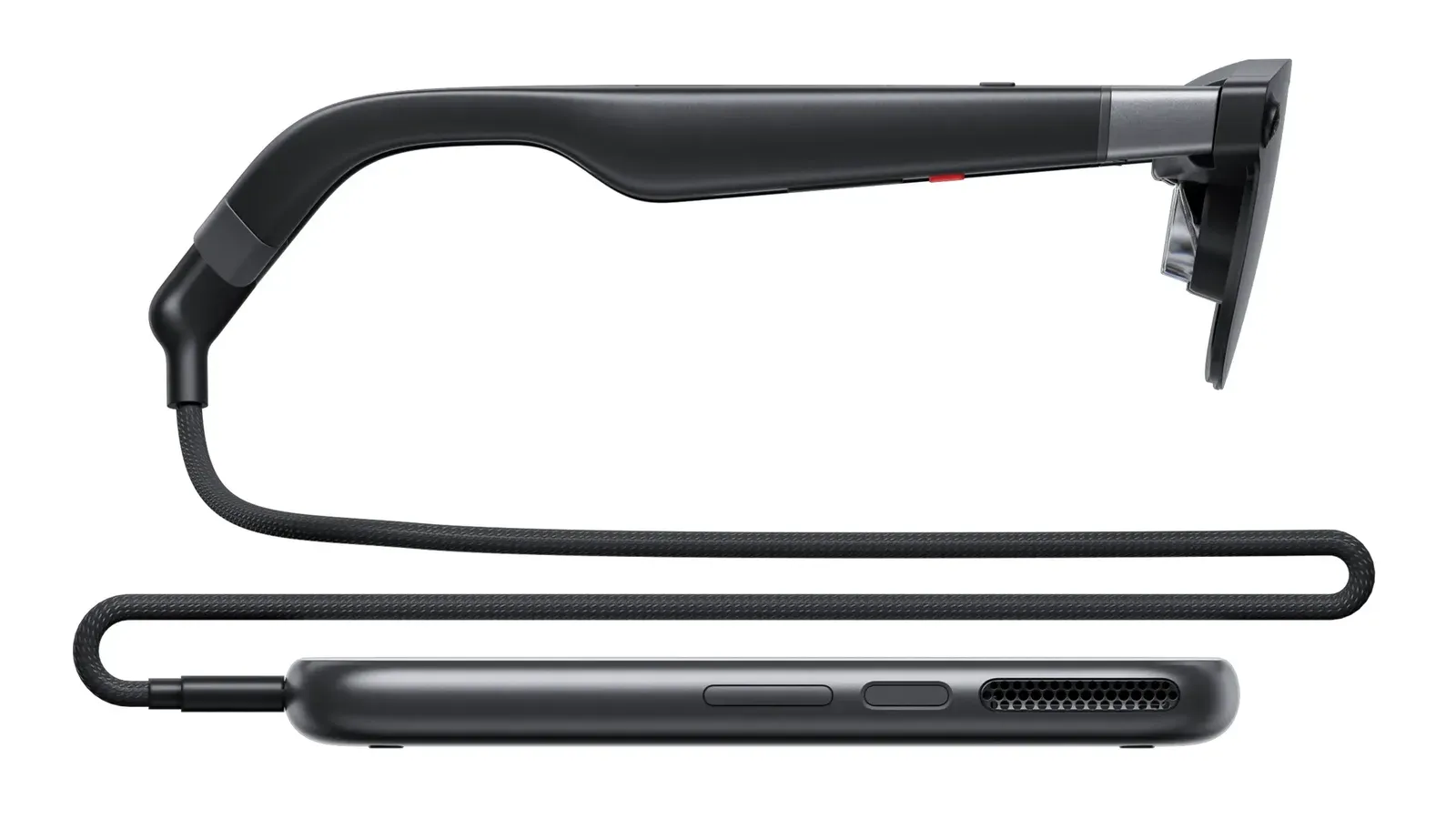
Aura is not a simple display accessory. XREAL describes it as a full Android XR spatial computer that combines lightweight optical see-through glasses with a dedicated compute puck.
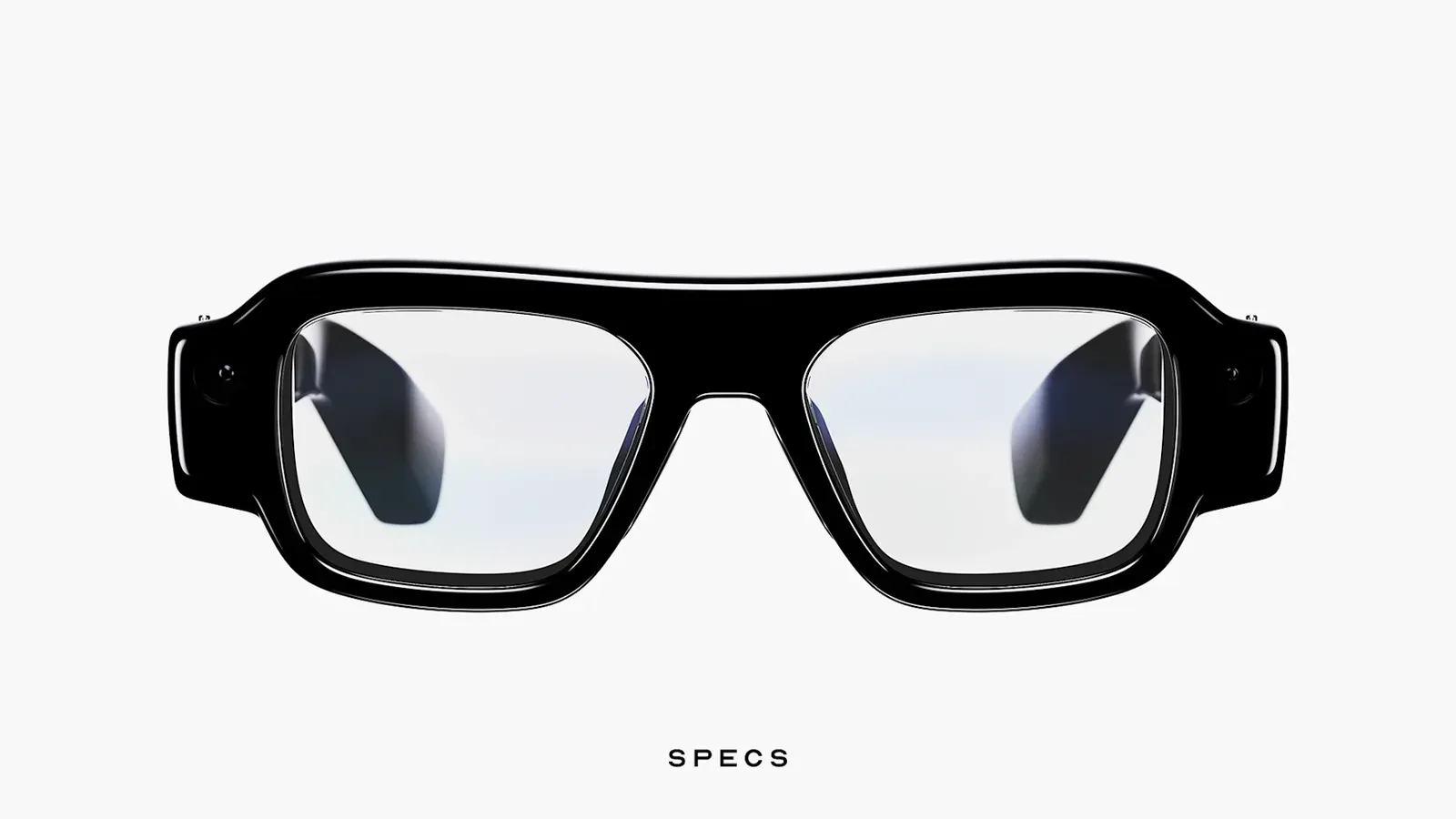
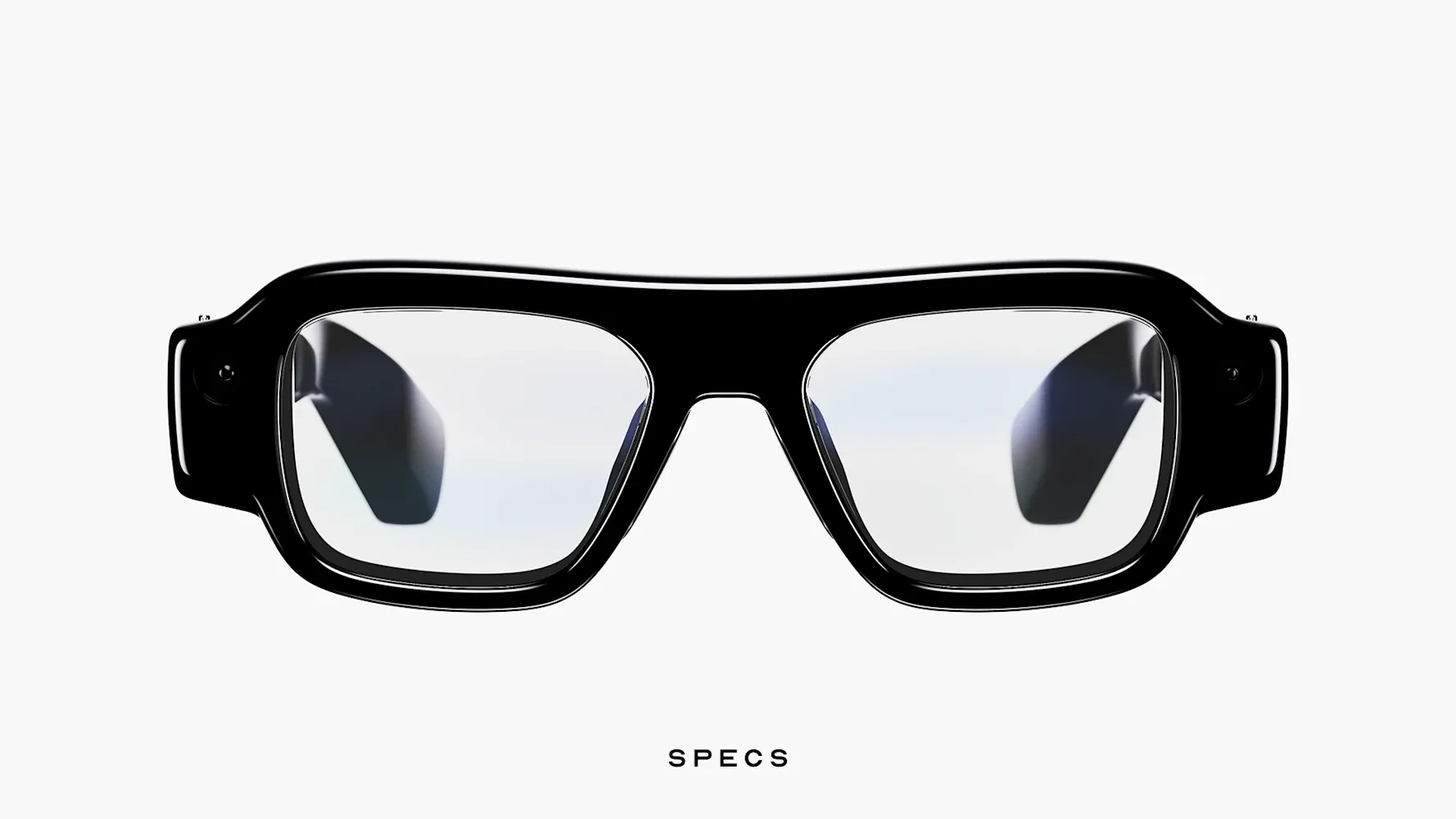
The glasses use X Prism optics with a 70-degree field of view, Sony Micro-OLED displays at 1920 x 1200 pixels per eye, and refresh rates up to 120 Hz. XREAL also lists world-facing tracking cameras, six-degrees-of-freedom spatial anchoring, hand tracking, a high-resolution camera with a privacy LED indicator, electrochromic dimming, Bose-tuned audio, and a four-microphone array.
The compute puck runs Android XR OS and uses Qualcomm's new Snapdragon Reality Elite platform. XREAL lists 12GB/256GB and 16GB/512GB memory and storage configurations, a 4,455 mAh battery, USB-C ports for glasses connection, charging, DisplayPort input, and ADB support.
Why Snapdragon Reality Elite matters
Qualcomm announced Snapdragon Reality Elite at AWE as a platform for premium mixed reality headsets and tethered optical see-through glasses. Qualcomm says the platform supports up to 48 TOPS of on-device AI performance, visuals up to 4.4K per eye at 90 frames per second, and higher GPU, CPU, and NPU performance than its previous flagship XR platform.
For Aura, the important point is less the chip name and more the architecture. The compute puck handles the heavy Android XR workload, while XREAL's X1S spatial coprocessor in the glasses supports low-latency display, sensor processing, and stable glasses-based XR experiences.
That split-compute approach is one way companies are trying to make AR glasses feel wearable without giving up too much performance.
What to wait for
Aura now has enough official detail to be more than a teaser, but it still needs several buyer-critical answers. XREAL has not announced the final price, exact ship date, full retail configurations, review-unit performance, app quality, comfort over long sessions, or how the compute puck feels in daily use.
The device is still important because it gives Android XR a public glasses-style launch track alongside Samsung's headset path. For developers, it is another sign that Android XR is being built for more than one shape of device. For buyers, it is a reservation worth watching carefully rather than a purchase to treat as settled.