Buy Quest 3 if your priority is standalone VR games at the lowest price of these three devices. Consider Steam Frame if you want SteamOS and are willing to adjust settings for individual games. Wait for Meta VR Glasses if your main use is private work screens or films and you value less weight on your head over a wider view.
That recommendation follows the trade-offs in Road to VR's September 29 comparison. Quest 3 and Steam Frame are released products. Meta VR Glasses are due in spring 2027, so choosing them also means waiting.
Prices and the specs that change the decision
These are the dollar prices and specifications in Road to VR's table. Our earlier Meta VR Glasses comparison and Steam Frame launch guide cover the announcement and buying details separately.
| Detail | Quest 3 | Steam Frame | Meta VR Glasses |
|---|---|---|---|
| Price and storage | $599 for 512GB | $1,059 for 256GB, $1,299 for 1TB | $1,299 for 128GB |
| Release | October 2023 | September 2026 | Spring 2027 |
| Weight | 515g | 435g | About 100g on the head, plus a roughly 300g puck |
| Display per eye | LCD, 2,064 × 2,208 | LCD, 2,160 × 2,160 | Micro-OLED, 2,412 × 2,288 |
| Field of view | About 110° horizontal, 96° vertical | Up to 110° | 70° horizontal, 66° vertical |
| Refresh rate | Up to 120 Hz | 72 to 144 Hz | Up to 120 Hz |
| Eye tracking | No | Yes | Yes |
| Hand tracking | Yes | No | Yes |
| Passthrough | Color | Monochrome | Color |
| Motion controllers | Touch Plus included | Steam Frame Controllers | Touch Plus supported, sold separately |
| Extra storage | None | microSD up to 2TB | microSD up to 1TB |
Quest 3 for standalone gaming and a lower bill
Quest 3 has the large Quest game catalog, included controllers, and color passthrough for mixed reality. It also supports wired and wireless PC VR, as do the other two devices in the source's table. Access to PC VR alone is therefore a weak reason to spend $460 more on Steam Frame.
Road to VR describes Quest 3 and Frame as close in overall visual performance, with Quest 3 ahead in optics. Frame's higher maximum refresh rate and eye tracking need to matter to your use before they justify the price difference. Meta has yet to announce when Quest 4 will arrive, according to the comparison.
Steam Frame for Steam users willing to adjust settings
Steam Frame runs SteamOS and combines standalone play with PC streaming. Road to VR warns that demanding or poorly optimized games can be largely unplayable in standalone mode. Valve's Frame certification program helps identify games that run well on the headset, including flatscreen games.
Before buying Frame to play without a PC, check the support status of the games you want. A Steam library can contain more games than the headset can run well. Frame also has monochrome passthrough as standard, while Quest 3 and VR Glasses have color passthrough. The comparison points to an Arcturus upgrade for buyers who want color on Frame.
Meta VR Glasses for lighter screens, with a smaller view
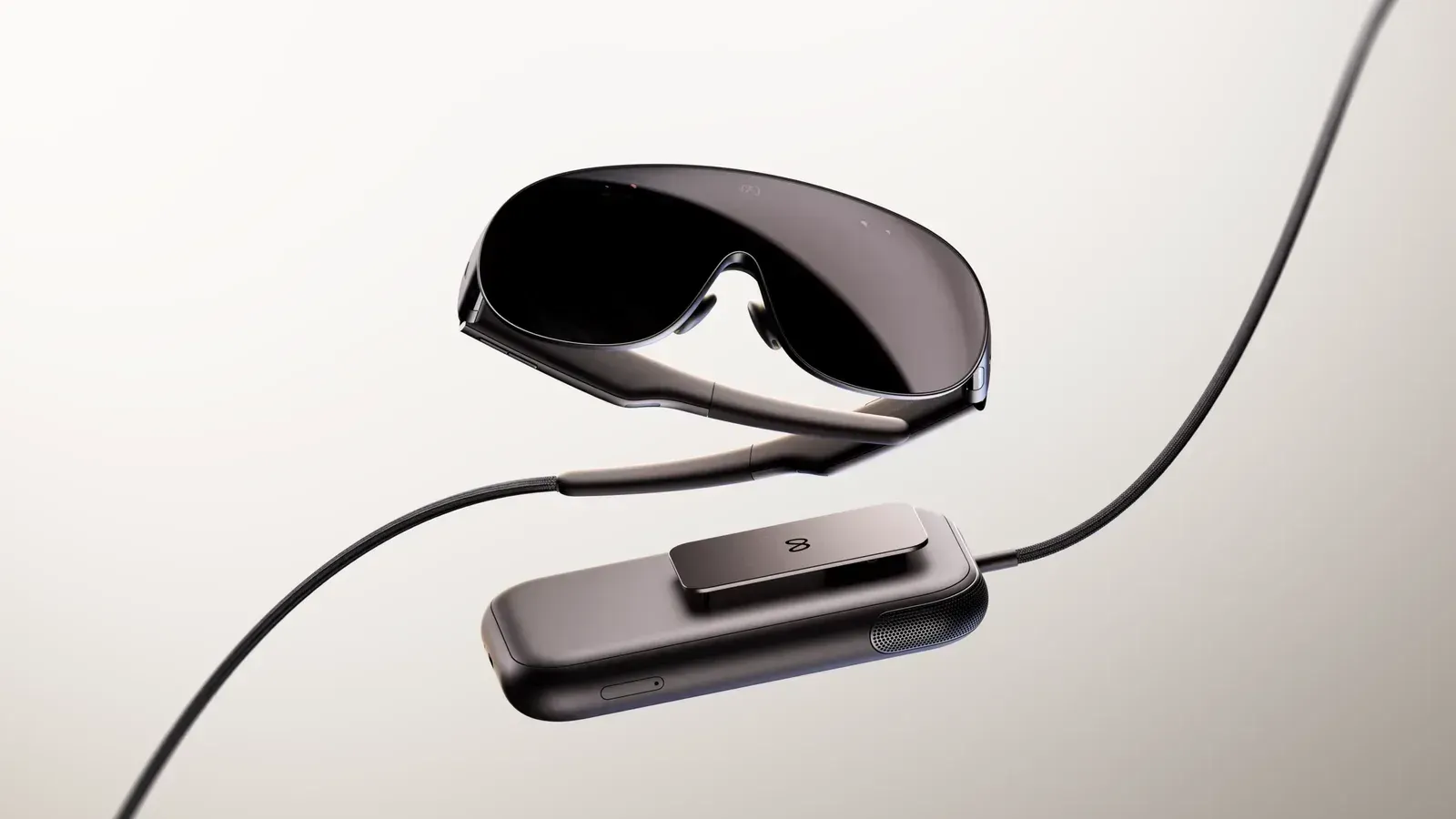
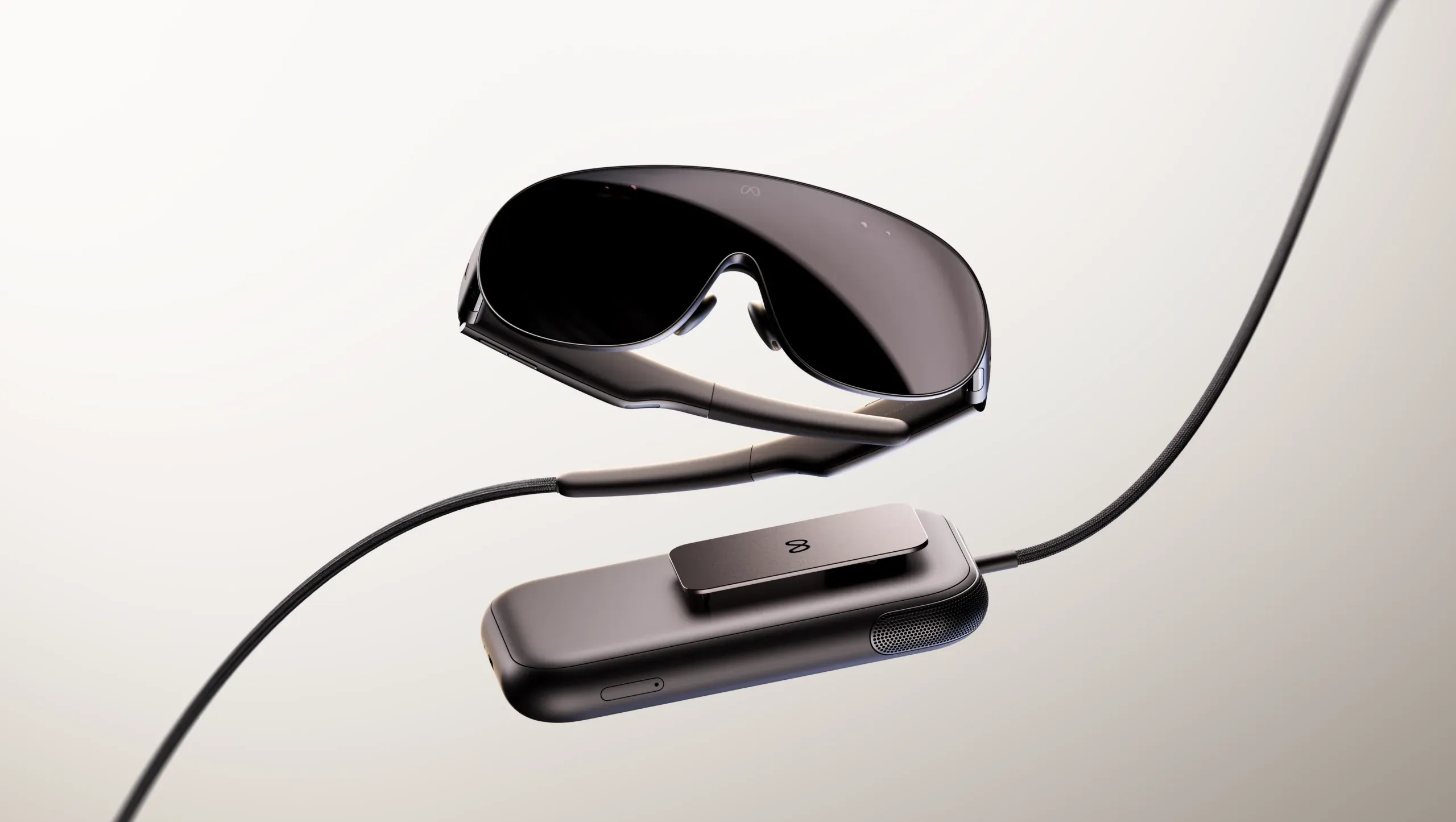
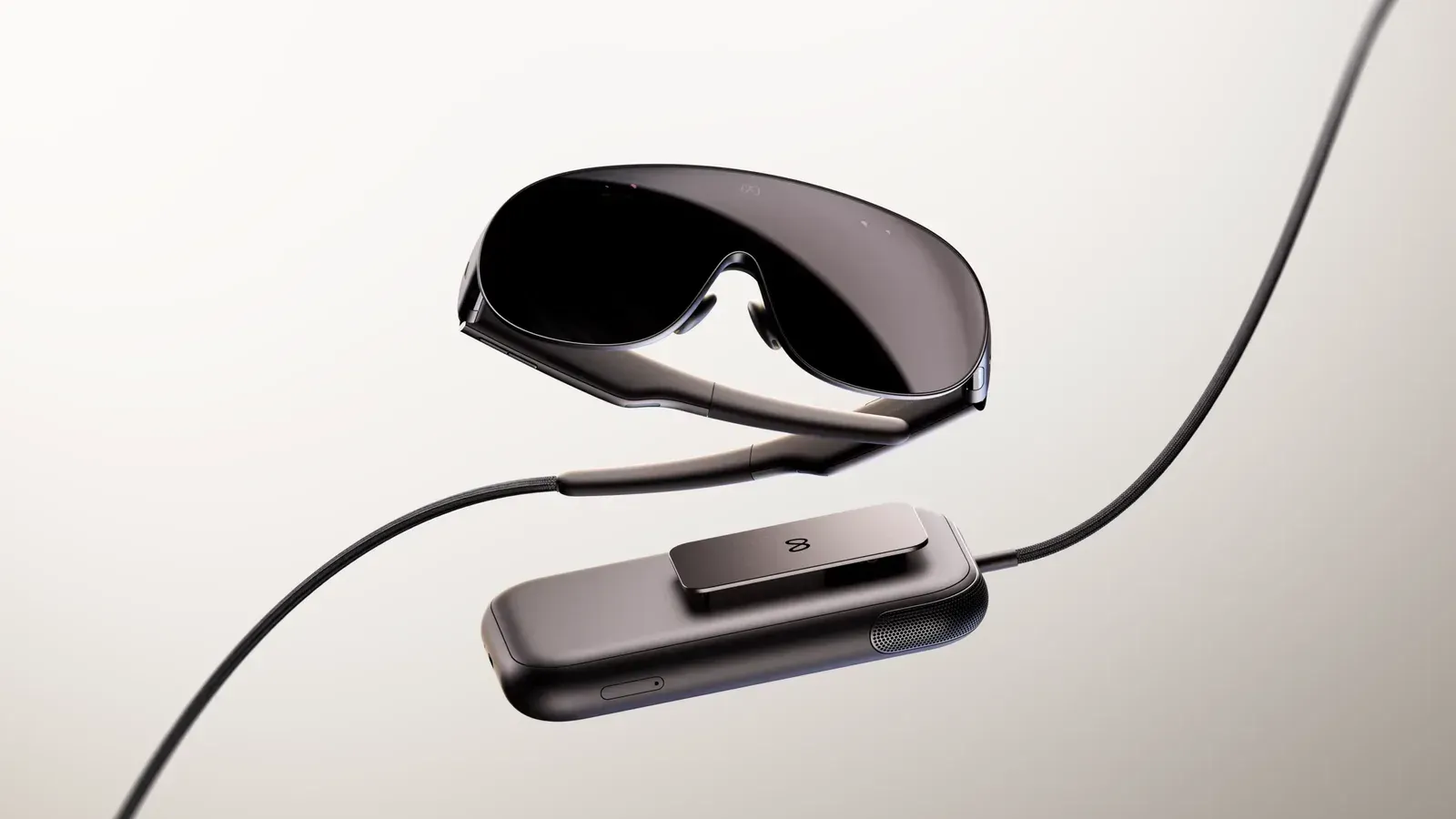
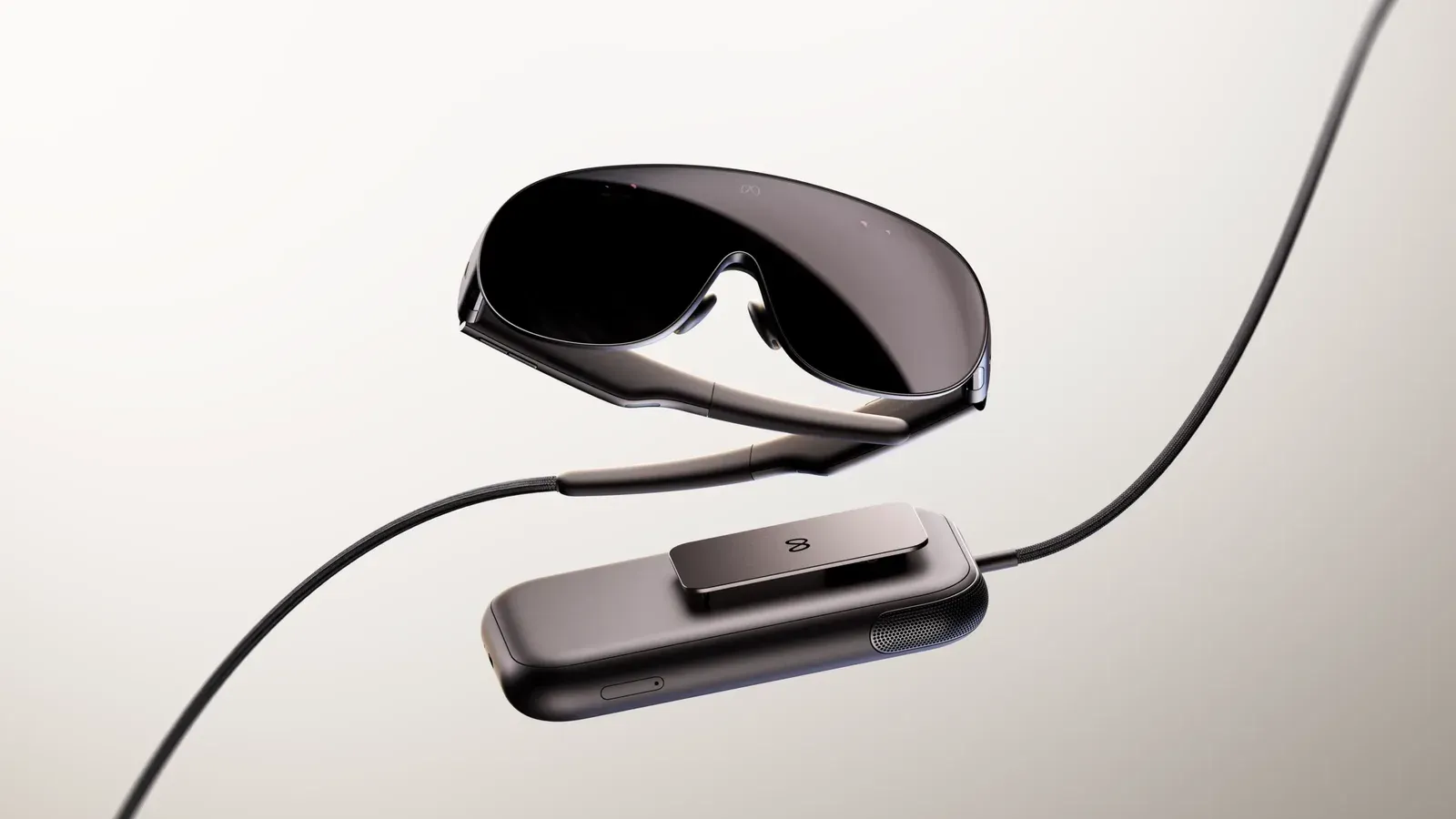
VR Glasses run Horizon OS and support the same Quest games and content as Quest 3 and 3S. Their micro-OLED displays have about 37 pixels per degree, against roughly 25 on Quest 3 in Road to VR's table. That makes them worth considering for virtual monitors and films.
The glasses reduce on-head weight by moving the battery and processor into a pocketable puck connected by an optical cable. Their 70-degree horizontal field of view is 40 degrees narrower than Quest 3's quoted figure. Buyers gain lighter glasses and denser pixels while seeing less of the virtual scene at once.
Touch Plus controllers work with the glasses, but the standard box centers on hand and eye input. If your games require controllers, include those in the purchase decision rather than treating $1,299 as the complete gaming setup.